
Published · Updated
asset finance options list6 Essential Asset Finance Options List for UK Developers
By James Dawes, CeMAP, Founder, James William & Co Capital

Securing finance for property development in the UK can feel overwhelming when faced with strict loan criteria and rising upfront costs. Choosing the right funding approach is crucial if you want to protect your cash flow, move quickly on new opportunities, and keep control of your project. The good news is that asset finance offers solutions tailored to these challenges, making equipment acquisition and project progress far more manageable.
You will discover how innovative financing structures preserve your working capital, enable fast approvals, and adapt to complex project needs. Each insight reveals a practical route to overcoming common obstacles, from bridging acquisition gaps to integrating multiple funding sources. Get ready to unlock specific techniques that can give your development projects a genuine financial advantage.
Table of Contents
- Understanding Asset Finance Fundamentals
- Bridging Loans for Fast-Paced Acquisitions
- Development Finance for Large-Scale Projects
- Equipment and Machinery Leasing Solutions
- Mezzanine Finance for Flexible Funding
- Tailoring Asset Finance to Complex Structures
Quick Summary
| Key Insight | Clarification |
|---|---|
| 1. Asset finance preserves cash flow | Asset finance allows you to acquire equipment while keeping your working capital available for essential project costs. |
| 2. Bridging loans enable quick acquisitions | Use bridging loans to swiftly secure properties while waiting for other sales or funding, maintaining competitive advantage. |
| 3. Development finance supports staged funding | Development finance releases capital in stages aligned with project milestones, easing cash flow pressures throughout construction. |
| 4. Equipment leasing avoids capital tie-up | Leasing equipment keeps funds available for other project expenses and reduces the burden of ownership and maintenance. |
| 5. Mezzanine finance allows flexible capital structure | Mezzanine finance offers a blend of debt and equity, allowing you to achieve necessary funding while preserving ownership control. |
1. Understanding Asset Finance Fundamentals
Asset finance is a practical funding solution that allows you to acquire equipment and machinery without depleting your working capital. Rather than paying cash upfront, the assets themselves serve as security for the loan, which makes lenders more comfortable approving your application.
The concept is straightforward but powerful. You identify the equipment your development needs, the lender purchases it, and you pay for its use over an agreed timeframe. This structure preserves your cash for other critical project costs like labour, materials, and contingencies.
Understanding how asset finance works reveals why it has become the preferred choice for UK developers managing complex funding stacks. Unlike traditional unsecured loans that scrutinise your personal credit history, asset-backed lending focuses on the equipment’s value and your ability to service the payments.
Key fundamentals you should grasp:
- Security-based lending: The asset provides collateral, reducing lender risk and improving approval rates
- Operational alignment: Financing structure matches your equipment lifecycle and project timeline
- Cash flow preservation: Monthly payments replace large capital expenditure, freeing funds for growth
- Flexible terms: Options adapt to your project’s specific needs and equipment requirements
Developers often use asset finance for site machinery, vehicles, construction equipment, and property-related plant. Each has different financing structures depending on whether you want ownership at the end (hire purchase) or ongoing use rights (finance leasing).
Asset finance converts expensive upfront equipment costs into manageable monthly payments whilst you retain critical working capital for project delivery.
The approval process moves quickly because lenders evaluate the asset value rather than your entire financial history. This speed matters when project timelines are tight and equipment needs to be on site immediately. You complete the transaction, take delivery, and begin your payment schedule.
The Finance & Leasing Association offers comprehensive training through its Diploma in Asset Finance, which covers leasing processes, risk management, and regulatory requirements for those seeking deeper professional knowledge.
Professional tip: Structure your asset finance agreement to align payment schedules with your project’s revenue generation points, ensuring monthly instalments don’t strain cash flow during early development phases.
2. Bridging Loans for Fast-Paced Acquisitions
Bridging loans solve a specific problem that catches many developers off guard. You’ve identified the perfect acquisition, but your current property hasn’t sold yet. A bridging loan fills that gap, giving you immediate funds to move forward without losing the opportunity.
Think of it as a temporary financial bridge. You borrow against your existing property to complete the new acquisition, then repay the bridging loan once your original property sells or your primary funding arrives. The speed is the real advantage here.
Traditional mortgages take weeks or months to arrange. Bridging lenders can approve and fund within days, sometimes hours. This matters enormously when you’re competing with other developers for prime land or development opportunities.
Why bridging loans work so well for acquisitions:
- Speed of funding: Access capital within days rather than weeks
- Flexibility: Borrow against property equity without waiting for sales completion
- Competitive advantage: Move quickly when time-sensitive deals appear
- Bridge the timing gap: Cover the period between acquisition and permanent financing
- Multiple exit strategies: Repay through property sale, development finance, or refinancing
When arranging bridging finance for property deals, you’ll need to demonstrate the property securing the loan and your exit strategy. Lenders want confidence that you’ll repay within the agreed timeframe.
Developers typically use bridging finance in several scenarios. You might acquire a development site whilst arranging development finance. Perhaps you’re buying a property needing renovation before refinancing. Or you’re consolidating multiple plots before commencing a larger project.
The cost of bridging is higher than standard mortgages because of the speed and flexibility. Interest rates typically run between 0.5% and 1.5% per month, which sounds expensive until you consider the value of moving quickly. Securing a development opportunity worth millions often justifies the bridging costs.
Bridging loans transform timing constraints into competitive advantages by providing instant access to acquisition capital when traditional finance cannot.
Lender requirements vary, but most want a clear exit plan. You need to show how you’ll repay the facility. This might be through selling the original property, completing development finance, or refinancing into a longer-term mortgage.
Common mistakes include underestimating bridge costs in your budget or failing to arrange permanent financing before the bridge period ends. Plan your exit carefully from day one.
Professional tip: Start arranging your permanent development finance whilst the bridging facility is in place, ensuring seamless transition without extension fees or forced sale scenarios.
3. Development Finance for Large-Scale Projects
Development finance differs fundamentally from standard mortgages because it acknowledges the unique challenges of large-scale projects. Rather than lending against completed property value, development lenders fund the construction process itself, releasing capital in stages as your project progresses.
This staged funding approach aligns with real project realities. You don’t need all the money on day one. Instead, funds arrive when you need them, matched to your construction timeline and cash flow requirements.
Large projects create cash flow complications that conventional lending cannot solve. You’re purchasing land, paying contractors, acquiring materials, and managing extended timelines before any revenue arrives. Development finance bridges this gap systematically.
How staged development funding works:
- Tranche releases: Capital disbursed at project milestones, not upfront
- Milestone-based: Funds released when construction reaches agreed stages
- Interest-only initially: Early phases typically require interest-only payments, reducing cash burden
- Deferred costs: Some fees capitalised into the loan, improving early cash flow
- Flexible drawdown: You draw funds as needed rather than in one lump sum
When structuring development finance for UK projects, lenders scrutinise your project appraisal, risk mitigation strategy, and exit plan. They want detailed understanding of your construction timeline, sales forecasts, and contingency plans.
Developers typically use development finance for residential schemes, commercial office buildings, mixed-use developments, and major refurbishment projects. Any project requiring substantial upfront capital combined with extended build periods benefits from this structure.
Your exit strategy becomes crucial. Lenders need confidence you’ll repay the facility when the project completes. This typically happens through property sales, refinancing into standard mortgages, or securing investment partners.
Development finance transforms long-term construction projects into manageable funding structures by releasing capital exactly when you need it, not before.
Project appraisals form the foundation of development finance applications. Lenders commission detailed reports assessing feasibility, costs, timelines, and profit margins. These appraisals often become the roadmap for your entire project delivery.
Managing the relationship with your development lender matters enormously. They need regular updates, transparent communication, and prompt notification of any changes. Strong relationships mean faster fund releases and flexible solutions when circumstances shift.
Professional tip: Build contingency buffers into your development finance facility to cover unexpected costs or construction delays, ensuring you maintain project momentum without emergency refinancing.
4. Equipment and Machinery Leasing Solutions
Equipment leasing offers developers a practical alternative to purchasing machinery outright. Rather than tying up capital in expensive excavators, cranes, or concrete pumps, you lease what you need for the project duration, then return it when the job finishes.
This approach preserves working capital for more critical expenses. Your development budget stretches further when you’re not purchasing assets that depreciate rapidly. Leasing also transfers maintenance and upgrade responsibilities to the lessor, simplifying your operational burden.
Developers managing multiple concurrent projects particularly benefit from leasing flexibility. You can scale equipment up or down as project phases change without managing resale or storage challenges. This agility matters when timelines shift or project scope evolves.
Key advantages of equipment leasing:
- Capital preservation: Keep cash available for labour, materials, and contingencies
- Operational flexibility: Return equipment when no longer needed rather than managing disposal
- Maintenance included: Lessors typically handle servicing and repairs
- Technology access: Upgrade to newer equipment across project phases without ownership burden
- Predictable costs: Fixed monthly payments simplify budgeting and forecasting
- Off-balance-sheet treatment: Leasing may improve your financial ratios compared to ownership
Leasing companies typically offer tailored leasing and asset finance solutions designed specifically for construction and development sectors. These providers understand construction cycles and can structure arrangements matching your project timeline.
Common equipment for leasing includes excavators, bulldozers, cranes, scaffolding systems, concrete pumps, and temporary site facilities. Specialist providers often lease technology equipment, generators, and temporary infrastructure supporting your build programme.
Approval timescales for equipment leasing move quickly because lessors assess equipment value rather than your creditworthiness exclusively. You can often secure leases within days, critical when your project schedule demands immediate equipment availability.
Equipment leasing transforms capital purchases into manageable monthly expenses whilst maintaining access to the latest machinery your projects require.
Lease terms vary considerably based on equipment type and your project duration. Standard construction leases run from a few months to several years. You negotiate terms matching your anticipated project completion dates.
Cost comparison matters. Calculate total lease costs against purchase price, accounting for equipment depreciation, maintenance, storage, and eventual disposal. Leasing often proves more economical for short-term project needs.
Professional tip: Structure equipment leases to align with major project milestones so you can scale back equipment inventory during slower phases, reducing monthly commitments when cash flow pressures intensify.
5. Mezzanine Finance for Flexible Funding
Mezzanine finance occupies a unique position in your funding stack, sitting between senior debt and equity. It blends characteristics of both, offering you flexibility that traditional lending simply cannot match. This hybrid approach solves funding gaps that pure debt or equity financing cannot address alone.
Think of your funding structure as a building. Senior debt forms the foundation. Equity sits at the top. Mezzanine finance fills the space between them, creating a complete capital structure. This layering allows you to access more total funding than senior lenders alone would provide.
Mezzanine lenders accept greater risk than senior debt providers, so they demand higher returns. However, they rank ahead of equity investors, protecting your ownership stakes. This positioning makes mezzanine ideal when you need significant funding but want to retain control.
Why developers choose mezzanine finance:
- Flexible structures: Tailored terms matching your specific project needs and cash flow profile
- Greater leverage: Access more total capital than senior debt alone permits
- Control preservation: Retain majority ownership whilst funding growth or acquisitions
- Faster approvals: Less scrutiny than equity investment, quicker than standard mortgages
- Conversion options: Some facilities convert to equity if milestones aren’t met
- Subordinated position: Your senior lenders remain senior, protecting their position
Understanding various real-estate funding sources helps you recognise where mezzanine fits within your overall capital strategy. When standard development finance cannot provide sufficient funds, mezzanine bridges that gap without requiring external equity partners.
Developers typically use mezzanine finance for acquisitions requiring more leverage, development projects with tight equity positions, and refinancing situations where additional capital improves financial outcomes. Large-scale mixed-use schemes often combine senior debt, mezzanine finance, and equity efficiently.
Mezzanine finance converts funding shortfalls into manageable capital stacks by accepting subordinated risk whilst preserving your ownership control and operational flexibility.
Approvals move faster because mezzanine lenders focus on project fundamentals and your exit strategy rather than exhaustive personal credit analysis. Once your senior facilities are arranged, mezzanine can often follow within weeks.
Costs are higher than senior debt but lower than pure equity. Interest rates typically range between 10% and 18% depending on risk profile, project stage, and market conditions. This represents the premium mezzanine lenders charge for their subordinated position.
Professional tip: Arrange mezzanine finance only after securing senior lending commitments, as mezzanine facilities price and structure based on knowing precisely how much senior debt sits above them in the capital stack.
6. Tailoring Asset Finance to Complex Structures
Complex development projects rarely fit standard financing templates. Your funding needs might involve multiple asset types, staged acquisitions, joint venture partners, or offshore investment structures. Tailoring asset finance to these complexities transforms potential obstacles into seamless funding solutions.
Standard lenders offer off-the-shelf products. Specialist asset finance providers build bespoke structures matching your specific circumstances. This customisation matters enormously when your project architecture differs from conventional developments.
Multi-layered funding stacks require careful orchestration. Senior debt must sit cleanly above mezzanine finance. Asset-backed loans need clear security hierarchies. Equity structures must satisfy investor requirements. Getting this layering right requires expertise in structuring, not just lending.
Complexity factors requiring bespoke structuring:
- Multiple lenders: Coordinating terms across senior debt, mezzanine, and specialist asset finance facilities
- Staged funding: Releasing capital across different project phases with varying security positions
- Joint ventures: Structuring finance when multiple parties share ownership and control
- Offshore investors: Accommodating cross-border investment with regulatory compliance
- Mixed-use assets: Financing properties with residential, commercial, and retail components simultaneously
- Refinancing transitions: Moving between development finance and permanent mortgages without disruption
When structuring property finance for UK developments, early stakeholder alignment proves critical. Your lenders, partners, and advisers must agree on roles, cash flow priorities, and regulatory treatment before finalisation. Misalignment discovered late in negotiations creates costly delays.
Developers managing institutional investor capital face particular complexity. Family offices and pension funds require specific covenant packages, reporting mechanisms, and exit timelines. Asset finance structures must accommodate these requirements without compromising project delivery.
Bespoke asset finance structures create competitive advantages by matching funding architecture precisely to your project’s unique characteristics and stakeholder requirements.
Success depends on transparent communication from day one. Share your project timeline, anticipated cash flows, and exit strategy with all funding parties simultaneously. Sophisticated lenders expect this transparency and respond positively to developers who manage information flow professionally.
Common pitfalls include underestimating structuring complexity, assuming standard products will work, and failing to involve lenders early in deal planning. Instead, involve specialist asset finance providers during initial project scoping, not after problems emerge.
Regulatory requirements vary significantly based on your structure. Different security arrangements trigger different legal considerations. Cross-border elements add compliance layers. Engaging regulatory experts early prevents costly restructuring later.
Professional tip: Assign a single structuring advisor as your central point of contact, coordinating between lenders, partners, and operational teams to maintain alignment and prevent conflicting instructions that derail deal progress.
Below is a comprehensive table summarising the key funding solutions for developers discussed in the article.
| Funding Type | Description | Key Benefits | Usage Scenarios |
|---|---|---|---|
| Asset Finance | Financing using the asset as collateral for acquiring equipment and machinery. | Preserves cash flow; flexible terms; operational alignment. | Site machinery, vehicles, construction equipment. |
| Bridging Loans | Temporary funding for acquisition gaps when liquidity is delayed. | Speed of approval; flexibility in repayment; competitive advantage. | Property acquisitions and timing gaps. |
| Development Finance | Staged funding for construction projects based on milestones. | Aligns funding to project phases; supports extended timelines. | Residential, commercial, mixed-use developments. |
| Equipment Leasing | Leasing equipment for project duration instead of purchasing. | Capital preservation; operational flexibility; access to upgrades. | Excavators, cranes, temporary site facilities. |
| Mezzanine Finance | Hybrid funding between senior debt and equity for additional leverage. | Retains ownership control; fast approvals; flexible structuring. | Acquisitions, tight equity positions, refinancing. |
| Tailored Asset Finance | Customised financial structures to suit complex development needs. | Matches funding architecture to unique project requirements. | Projects with multiple layers or international elements. |
Unlock Bespoke Asset Finance Solutions Tailored for UK Developers
Navigating the complex world of asset finance options can be daunting, especially when managing large-scale developments, bridging acquisitions, or multi-layered funding stacks. This article highlights critical challenges such as preserving cash flow, securing fast funding, and structuring flexible debt solutions like mezzanine finance or equipment leasing to match project milestones. If you are striving to access tailored funding that aligns perfectly with your project’s unique timeline and capital requirements, expert guidance is essential.
At James William & Co Capital, we specialise in bespoke structuring of development finance, bridging loans, mezzanine debt, and asset finance for UK property developers. Our capital concierge approach ensures you benefit from rapid, tailored solutions delivered through a single point of contact. With deep experience in orchestrating complex funding stacks involving joint ventures and offshore investors, we transform your funding challenges into strategic advantages.
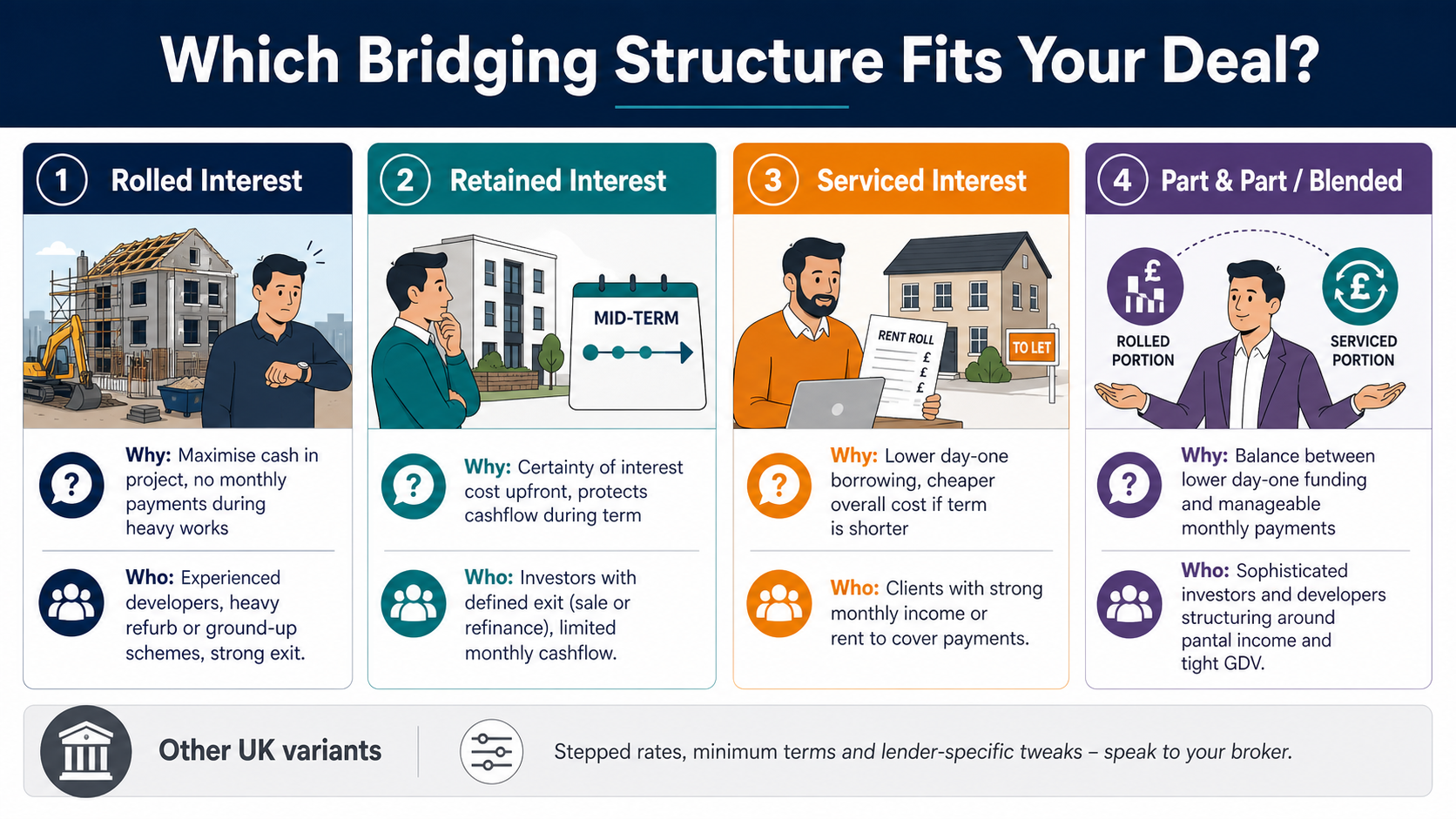
Take control of your project’s financing with confidence. Explore how our structured property finance expertise and bridging finance solutions can fast-track your development ambitions. Contact us today at James William & Co Capital to secure the scalable, flexible funding your project demands before opportunities pass you by.
Frequently Asked Questions
What is asset finance, and how does it work for UK developers?
Asset finance is a funding solution that allows UK developers to acquire equipment and machinery by using the assets as collateral instead of paying cash upfront. Identify the equipment you need, and the lender will purchase it for you, allowing you to make manageable monthly payments that free up working capital for other essential project costs.
How can I structure my asset finance agreement to benefit my cash flow?
To optimise your cash flow, align your asset finance payment schedules with the revenue generation timeline of your project. For example, if your project generates income in specific phases, structure your payments to match those milestones, reducing financial strain during the initial development period.
What types of assets are commonly financed through asset finance options?
UK developers frequently finance site machinery, vehicles, construction equipment, and even property-related plant through various asset finance structures. Evaluate your project needs to select the financing option that aligns best with the specific equipment type you require.
How quickly can I expect approval for asset finance?
The approval process for asset finance is typically fast because lenders focus primarily on the value of the asset rather than your entire financial history. You can often receive approval and access funds within a matter of days, allowing you to acquire necessary equipment without delay.
What should I consider when using bridging loans alongside asset finance?
When utilising bridging loans, it’s crucial to have a clear exit strategy for repaying the loan, such as selling or refinancing the property. Establish a solid plan before proceeding, as bridging loans come with higher costs but provide quick access to funds that can complement your asset finance arrangements.
How can mezzanine finance enhance my asset finance strategy?
Mezzanine finance can provide additional funding between senior debt and equity, helping you cover gaps in your capital structure. Incorporate mezzanine finance when you need more leverage for your projects, ensuring that you maintain control while gaining access to the necessary funds for expansion or new acquisitions.
Recommended
Related Topics
Speak to a specialist
Discuss your finance with James directly
Whole-of-market specialist finance — bridging, development, commercial and residential. No call centres, no obligation. James reviews every enquiry personally.
New to specialist finance? How unbiased broker advice works · Deals we have completed
Explore Related Finance