
Published · Updated
commercial mortgage process guideCommercial mortgage process guide for UK property developers 2026
By James Dawes, CeMAP, Founder, James William & Co Capital

Securing a commercial mortgage for a large property development or investment can feel like navigating a labyrinth of documentation, underwriting criteria and lender requirements. For UK property developers and high net worth investors, understanding each step of the process is essential to avoid costly delays and secure competitive terms. This guide walks you through the entire commercial mortgage journey, from initial preparation and application through to post approval formalities, equipping you with the knowledge to approach lenders with confidence and clarity.
Table of Contents
- Preparing For Your Commercial Mortgage Application
- Navigating The Commercial Mortgage Application Process Step By Step
- Common Challenges And Pitfalls In The Commercial Mortgage Process
- What To Expect After Your Commercial Mortgage Is Approved
- How James William & Co Capital Can Support Your Property Finance Needs
- FAQ
Key takeaways
| Point | Details |
|---|---|
| Preparation is critical | Organise financial statements, business plans and property valuations early to expedite approval. |
| Application follows a structured process | Expect five key stages: submission, credit checks, valuation, underwriting and offer acceptance. |
| Common pitfalls are avoidable | Incomplete documentation and poor communication cause most delays, so maintain transparency. |
| Post approval requires action | Fulfil offer conditions, engage solicitors and comply with ongoing lender covenants. |
| Expert support accelerates outcomes | Specialist brokers provide lender access, negotiation expertise and streamlined documentation management. |
Preparing for your commercial mortgage application
Before you approach any lender, thorough preparation determines whether your application sails through underwriting or stalls in bureaucratic limbo. The first step is identifying the property finance product that aligns with your transaction type, whether that’s a ground up development, a commercial acquisition or a complex refinance. Each product carries distinct criteria, so understanding lender expectations from the outset saves time and frustration.
Next, compile your core documentation package. Lenders will scrutinise your business plan, personal and company financial statements, property details including title deeds and planning permissions, and proof of income or asset base. For developers, this means presenting a credible development appraisal with realistic cost and revenue projections. Investors should demonstrate cash flow stability and debt servicing capacity. Preparation of documentation and clear financials is crucial for speedy mortgage approval, so invest time in creating a comprehensive, professional submission.
Understanding lender requirements is equally important. Commercial mortgage providers assess loan to value ratios, typically ranging from 60% to 75% depending on property type and borrower profile. They also evaluate debt service coverage, ensuring rental income or projected revenues comfortably exceed interest and principal repayments. Engaging a RICS qualified surveyor early for an independent property valuation avoids surprises later, and consulting a solicitor familiar with commercial property law ensures legal due diligence proceeds smoothly.
Pro Tip: Digitise all financial records and supporting documents into clearly labelled folders before you begin the application. Lenders often request additional information at short notice, and having everything organised electronically allows you to respond within hours rather than days, keeping your application moving forward.
Finally, consider how your overall capital structure fits into the lender’s risk appetite. If you’re planning a multi layered debt stack or require mezzanine finance alongside senior debt, clarify these arrangements upfront. Lenders appreciate transparency about other funding sources, and presenting a coherent real estate funding strategy demonstrates sophistication and reduces perceived risk.
Navigating the commercial mortgage application process step by step
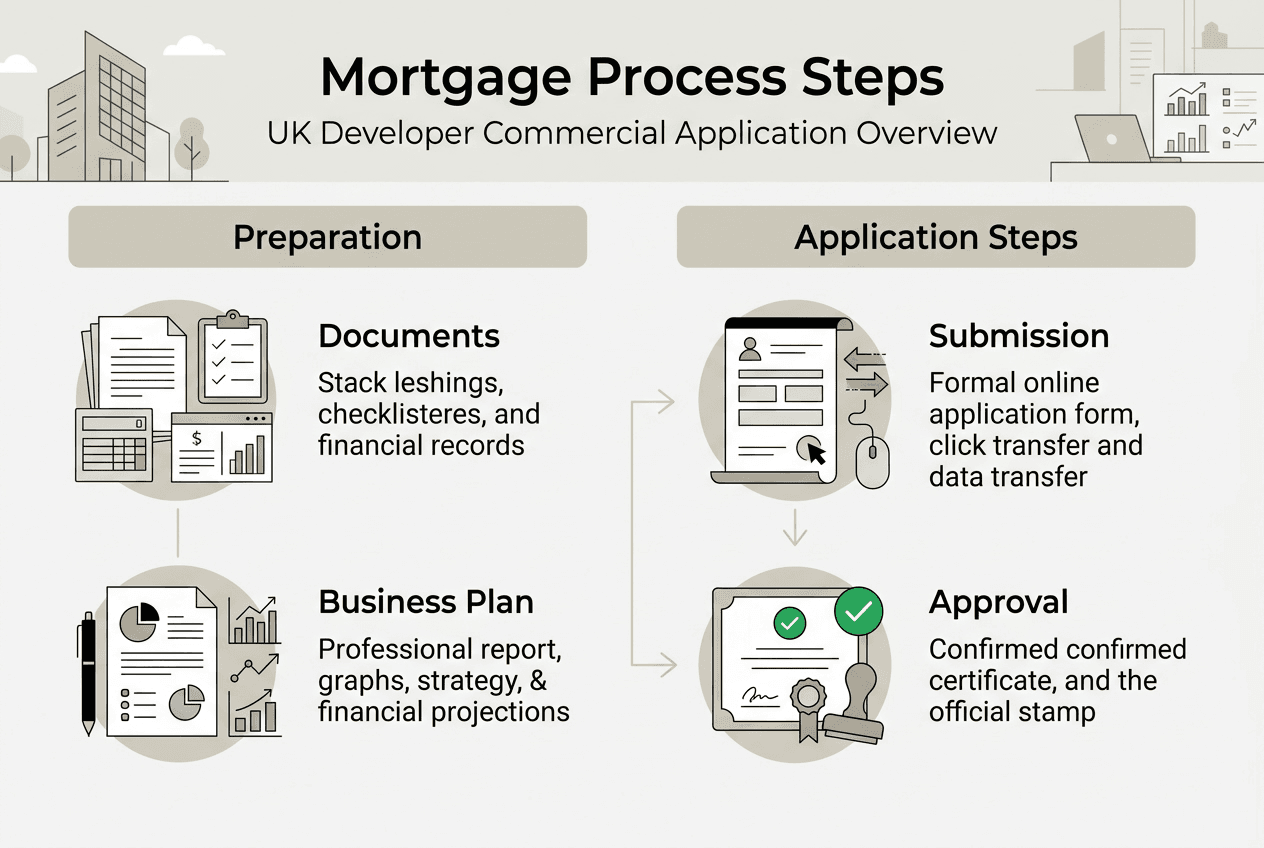
Once preparation is complete, the formal application process unfolds in five distinct stages. Understanding each phase helps you manage expectations, respond promptly to lender requests and maintain momentum towards approval.
-
Application submission: You submit your completed application form alongside all required documentation, including financial statements, business plans, property details and personal identification. Ensure every document is current and accurate, as discrepancies trigger delays.
-
Initial assessment and credit checks: The lender conducts preliminary credit checks on all applicants and guarantors, reviewing credit history, existing debt obligations and any adverse financial events. They also verify identity and assess anti money laundering compliance.
-
Property valuation and due diligence: An independent surveyor inspects the property and prepares a valuation report. The lender’s legal team reviews title deeds, planning permissions and any encumbrances. This stage often reveals issues requiring resolution before proceeding.
-
Underwriting and risk analysis: Underwriting involves detailed risk assessment of borrower and property to determine terms. Underwriters analyse cash flow projections, stress test assumptions and evaluate exit strategies. They may request additional information or clarification during this phase.
-
Mortgage offer issuance and acceptance: If underwriting concludes favourably, the lender issues a formal mortgage offer detailing loan amount, interest rate, term, fees and any special conditions. You review the offer, negotiate any contentious terms and formally accept.
The table below summarises typical timeframes and key lender requirements at each stage:
| Stage | Typical Duration | Key Lender Requirements |
|---|---|---|
| Application submission | 1-2 days | Complete application form, financial statements, property details, ID |
| Initial assessment | 1-2 weeks | Credit checks, AML verification, preliminary affordability assessment |
| Valuation and due diligence | 2-3 weeks | Independent valuation report, legal title review, planning permissions |
| Underwriting | 3-4 weeks | Detailed cash flow analysis, stress testing, exit strategy evaluation |
| Offer issuance | 1 week | Final credit committee approval, offer letter preparation |
Pro Tip: Maintain transparent, proactive communication with your lender throughout the process. If you anticipate delays in providing a requested document or if circumstances change, inform them immediately. Lenders appreciate honesty and are more likely to accommodate reasonable requests when you’ve built trust through consistent communication.
Many developers and investors find it beneficial to work with a specialist broker who can arrange bridging finance or structure development finance alongside commercial mortgages. Brokers understand lender appetites, can pre qualify applications and often expedite approvals through established relationships. Mortgage specialists bring valuable expertise in navigating complex underwriting and cross border finance complications.
Common challenges and pitfalls in the commercial mortgage process
Even well prepared applications encounter obstacles. Recognising common pitfalls allows you to anticipate problems and implement solutions before they derail your financing.
Delays caused by incomplete or inaccurate documentation are the most frequent issue. Lenders cannot proceed with underwriting until they have all required information, and chasing missing documents extends timelines by weeks. Similarly, late property valuations or legal reports stall progress. Appointing your surveyor and solicitor early, and ensuring they understand urgency, mitigates this risk.

Poor communication between borrower, broker and lender creates confusion and missed deadlines. When multiple parties are involved, information can fall through cracks. Establish clear communication protocols from the outset, designating a single point of contact to coordinate information flow. Regular status updates keep everyone aligned and allow prompt resolution of emerging issues.
Credit history complications can derail applications unexpectedly. Even minor adverse credit events, such as a missed payment or a CCJ, require explanation. If you’re aware of any credit issues, address them proactively in your application with a clear narrative about circumstances and remedial actions taken. Lenders appreciate transparency and are often willing to overlook historic issues if you demonstrate current financial stability.
Valuation disputes arise when a surveyor’s assessment falls short of your expectations or the purchase price. This reduces the loan amount available and may require you to inject additional equity. Engaging a reputable surveyor with local market expertise and providing them with comprehensive property information reduces the likelihood of unexpected valuation shortfalls.
“A thorough, compliant application that anticipates lender concerns and addresses potential issues upfront significantly reduces rejection risk and accelerates approval timelines.”
Finally, failing to meet statutory and regulatory requirements can halt applications entirely. Commercial property transactions involve complex legal and planning considerations, and lenders will not proceed if due diligence reveals non compliance. Working with experienced solicitors and ensuring all planning permissions, building regulations approvals and environmental assessments are in place before applying avoids this pitfall.
Common obstacles include lengthy underwriting, unforeseen valuation issues and incomplete applications. Staying informed about 2026 UK property finance trends helps you anticipate market conditions and lender behaviour. Understanding how mortgage regulation impacts cross border transactions is particularly important for investors with international structures or offshore vehicles.
What to expect after your commercial mortgage is approved
Receiving a mortgage offer is a significant milestone, but several critical steps remain before funds reach your account and your transaction completes.
-
Review and accept the mortgage offer: Carefully read every term and condition in the offer letter, paying particular attention to interest rate structure, repayment schedule, early repayment charges and any special conditions. If any terms are unclear or unacceptable, negotiate with the lender before acceptance. Once you formally accept, you’re legally bound to those terms.
-
Fulfil offer conditions: Most mortgage offers include conditions that must be satisfied before funds are released. These might include providing additional documentation, securing buildings insurance, or completing specific legal formalities. Create a checklist of all conditions and work systematically through them, providing evidence of completion to the lender promptly.
-
Engage solicitors for legal completion: Your solicitor coordinates with the lender’s legal team to finalise the mortgage deed, register charges against the property and complete conveyancing. This process involves extensive legal documentation and can take several weeks. Choose a solicitor experienced in commercial property transactions to avoid delays.
-
Arrange drawdown of mortgage funds: Once all conditions are satisfied and legal formalities complete, you request drawdown of the mortgage funds. The lender transfers the loan amount to your solicitor’s client account, who then distributes funds according to your instructions, typically to complete a property purchase or refinance existing debt.
-
Comply with ongoing lender covenants: Commercial mortgages often include ongoing obligations such as providing annual financial statements, maintaining minimum debt service coverage ratios or obtaining lender consent for certain property alterations. Understanding these covenants and building compliance into your property management processes prevents future disputes.
Post approval processes can affect project timelines and require careful management. Developers should factor completion timelines into construction schedules, and investors must ensure rental income commences as projected to meet debt servicing obligations. Working with a comprehensive real estate funding partner who understands post approval complexities provides valuable support during this final phase.
How James William & Co Capital can support your property finance needs
Navigating the commercial mortgage process demands expertise, market knowledge and strong lender relationships. James William & Co Capital specialises in arranging sophisticated property finance for UK developers and high net worth investors, delivering tailored solutions for complex transactions that mainstream lenders often decline.
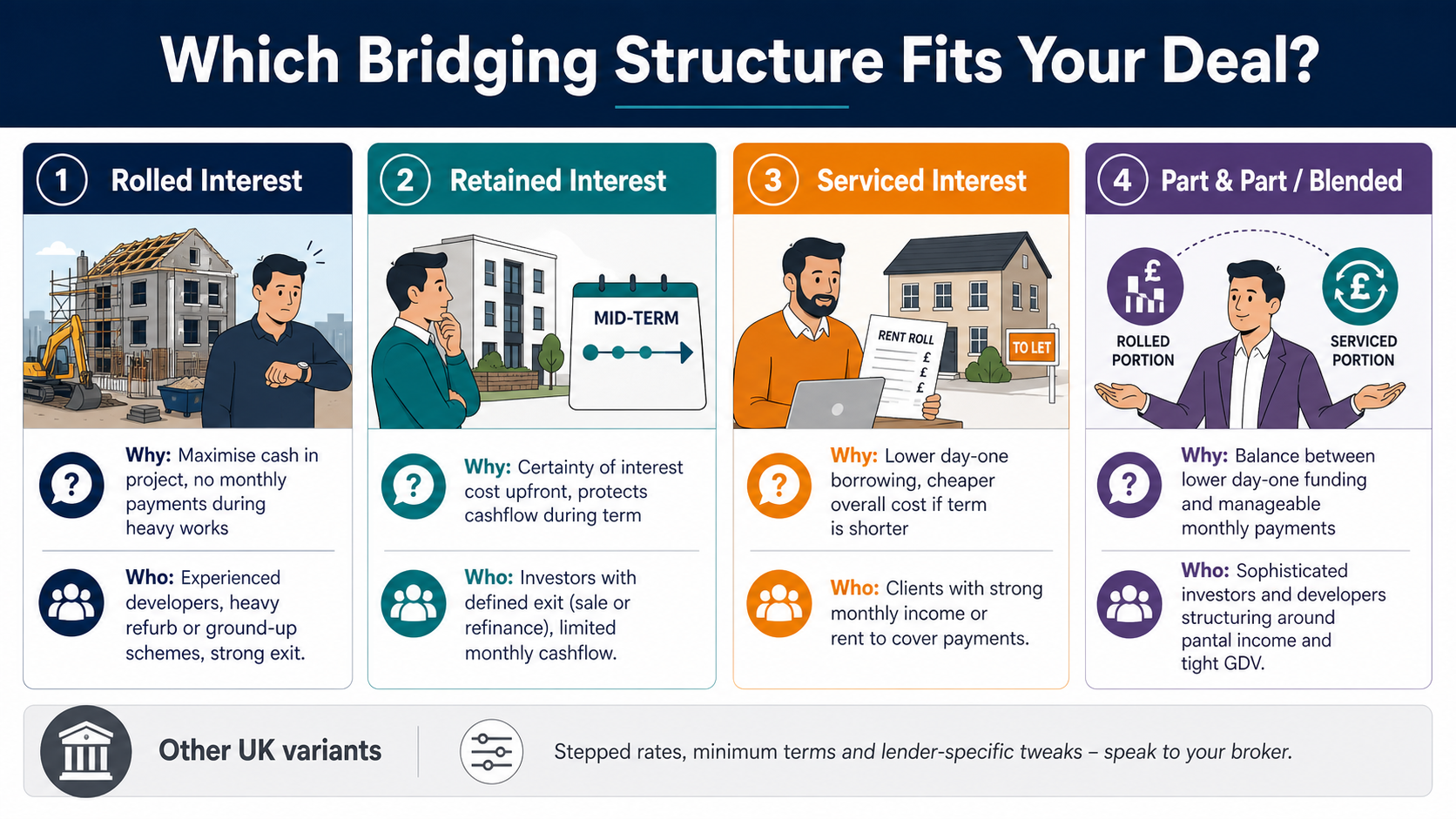
Our team structures specialist property finance across the full capital stack, from senior debt through mezzanine and JV equity, often involving multi layered structures and offshore vehicles. We maintain relationships with family offices, private credit funds and specialist lenders, providing access to competitive terms and rapid execution. Our capital concierge approach gives you a single point of contact for end to end structuring, negotiation and completion.
Whether you’re acquiring a commercial property portfolio, developing a mixed use scheme or refinancing existing debt, our experience in handling complex property finance services ensures your application is positioned for success. Explore our case studies to see how we’ve helped clients secure funding for high value real estate transactions under tight timelines.
FAQ
What is the typical timeframe for securing a commercial mortgage?
The process from application to funds can take 8 to 12 weeks depending on complexity. Simple transactions with straightforward borrower profiles and standard properties may complete faster, while complex developments or multi party structures require longer underwriting periods. Early preparation and responsive communication significantly reduce timelines.
How do commercial and residential mortgage processes differ?
Commercial mortgages generally involve more detailed underwriting and stricter documentation than residential loans. Lenders assess business viability, property income potential and borrower experience in commercial property, rather than simply personal income and credit score. Commercial applications require business plans, financial projections and professional valuations, whereas residential mortgages focus primarily on affordability and property value.
What documents are typically required for a commercial mortgage application?
Lenders require comprehensive business plans outlining your property strategy, personal and company financial statements covering at least three years, professional property valuations, proof of identity and income, legal property documents including title deeds and planning permissions. Developers must provide detailed development appraisals with cost breakdowns and revenue projections. The exact requirements vary by lender and transaction type, so confirm specific needs early in the process.
Can a mortgage broker assist with complex commercial mortgage applications?
Mortgage specialists provide valuable expertise in navigating underwriting and cross border finance complications. Brokers improve lender access through established relationships, negotiate better terms and manage documentation efficiently. For complex transactions involving multiple funding layers, offshore structures or non standard properties, a specialist broker’s market knowledge and lender connections often make the difference between approval and rejection.
Recommended
- James William & Co Capital | Specialist Property Finance
- James William & Co Capital | Specialist Property Finance
- James William & Co Capital | Specialist Property Finance
- James William & Co Capital | Specialist Property Finance
- Dubai Commercial Property Process: Secure Profitable Investments
- Master 2026 real estate trends: outperform competitors
Related Topics
Speak to a specialist
Discuss your finance with James directly
Whole-of-market specialist finance — bridging, development, commercial and residential. No call centres, no obligation. James reviews every enquiry personally.
New to specialist finance? How unbiased broker advice works · Deals we have completed
Explore Related Finance