
Published · Updated
how to arrange bridging financeHow to Arrange Bridging Finance for Property Deals
By James Dawes, CeMAP, Founder, James William & Co Capital

Securing bridging finance for major property acquisitions or ambitious development schemes often tests even the most seasoned professionals. For UK-based developers and institutional investors, complex projects and tight deadlines require a clear understanding of every financial step. This guide brings focused advice on project assessment and strategic preparation, revealing how expert documentation and well-matched lender relationships can be the difference between a stalled deal and a successful transaction.
Table of Contents
- Step 1: Assess Project Requirements And Objectives
- Step 2: Prepare Financial Documentation And Valuation
- Step 3: Identify Suitable Bridging Lenders And Partners
- Step 4: Present Application And Negotiate Key Terms
- Step 5: Verify Approval And Complete Legal Processes
Quick Summary
| Key Point | Explanation |
|---|---|
| 1. Clear Project Assessment is Crucial | Understand property development goals and create detailed financial models to secure appropriate bridging finance. |
| 2. Organise Comprehensive Financial Documents | Prepare a robust application package showcasing financial credibility and project viability with precise forecasts and valuations. |
| 3. Identify Suitable Lenders and Partners | Research lenders who specialise in property development to find those with flexible terms suitable for your project. |
| 4. Present a Compelling Application | Ensure your application is detailed and reflects strategic thinking, focusing on exit strategies and risk management during negotiations. |
| 5. Maintain Diligence in Legal Processes | Review all legal documentation thoroughly with your solicitor, ensuring compliance and safeguarding your interests until loan execution. |
Step 1: Assess project requirements and objectives
Successful bridging finance starts with crystal clear project assessment. Understanding your precise property development goals is the foundation for securing appropriate funding that matches your strategic needs.
Begin by comprehensively mapping out your project parameters through detailed financial modelling. This involves precisely calculating acquisition costs, anticipated refurbishment expenses, potential market value post renovation, and realistic timeline projections. Property development finance strategies require granular understanding of every financial dimension. Key considerations include evaluating the property’s current condition, determining the scope of required works, estimating renovation costs with precision, and establishing a credible exit strategy that demonstrates to potential lenders how you will repay the bridging loan.
Carefully document your project objectives including specific timeframes, budget constraints, anticipated returns, and potential risks. Lenders will scrutinise these details to assess the viability of your proposal. Bridging loan criteria typically demand comprehensive evidence of your project’s financial feasibility and your capacity to execute the plan effectively.
Expert Recommendation: Create a detailed spreadsheet capturing every financial aspect of your property development project to demonstrate professional preparation and strategic thinking to potential lenders.
Step 2: Prepare financial documentation and valuation
Preparing comprehensive financial documentation is a critical step in securing bridging finance for your property development project. This stage requires meticulous attention to detail and systematic organisation of all relevant financial evidence.
Begin by compiling a robust bridging loan application package that demonstrates your financial credibility and project viability. This includes gathering essential documents such as proof of identity, current address verification, detailed property valuations, and comprehensive evidence of your development experience. Focus on creating a comprehensive financial narrative that showcases your professional approach and potential for successful project completion.

Your documentation should include precise financial forecasts, detailed cost plans, and independently verified property valuations. Financial forecast preparation is crucial in giving lenders confidence in your proposed project. Include projected profit calculations, realistic timeline estimates, and clear exit strategies that demonstrate how you intend to repay the bridging loan. Ensure all financial documents are current, accurate, and professionally presented to maximise your chances of securing funding.
Expert Recommendation: Develop a comprehensive digital portfolio with all financial documents organised and easily accessible, which demonstrates professionalism and preparedness to potential lenders.
Here is a summary comparing key documentation types required for a successful bridging finance application:
| Document Type | Purpose | Typical Content |
|---|---|---|
| Financial Forecasts | Demonstrate project viability | Revenue projections, expense estimates |
| Property Valuation | Assess underlying asset worth | Surveyor report, market comparison |
| Development Experience Proof | Establish borrower credibility | Project portfolios, testimonials |
| Exit Strategy Statement | Show lender repayment plan | Sale plan or refinance details |
Step 3: Identify suitable bridging lenders and partners
Successfully securing bridging finance requires strategic identification of lenders who understand the nuanced landscape of property development funding. Your goal is to connect with financial partners who not only provide capital but truly comprehend the complexities of your specific project.
Start by conducting comprehensive market research to explore bridging loan application strategies tailored to your development needs. UK bridging lenders vary significantly in their lending criteria, with loan-to-value limits typically capped around 75%. Investigate specialist lenders who demonstrate expertise in your particular property sector, whether residential conversion, commercial redevelopment, or ground-up construction. Look beyond mainstream banks to specialist bridging finance providers, private banks, family offices, and alternative lending institutions that offer more flexible underwriting approaches.
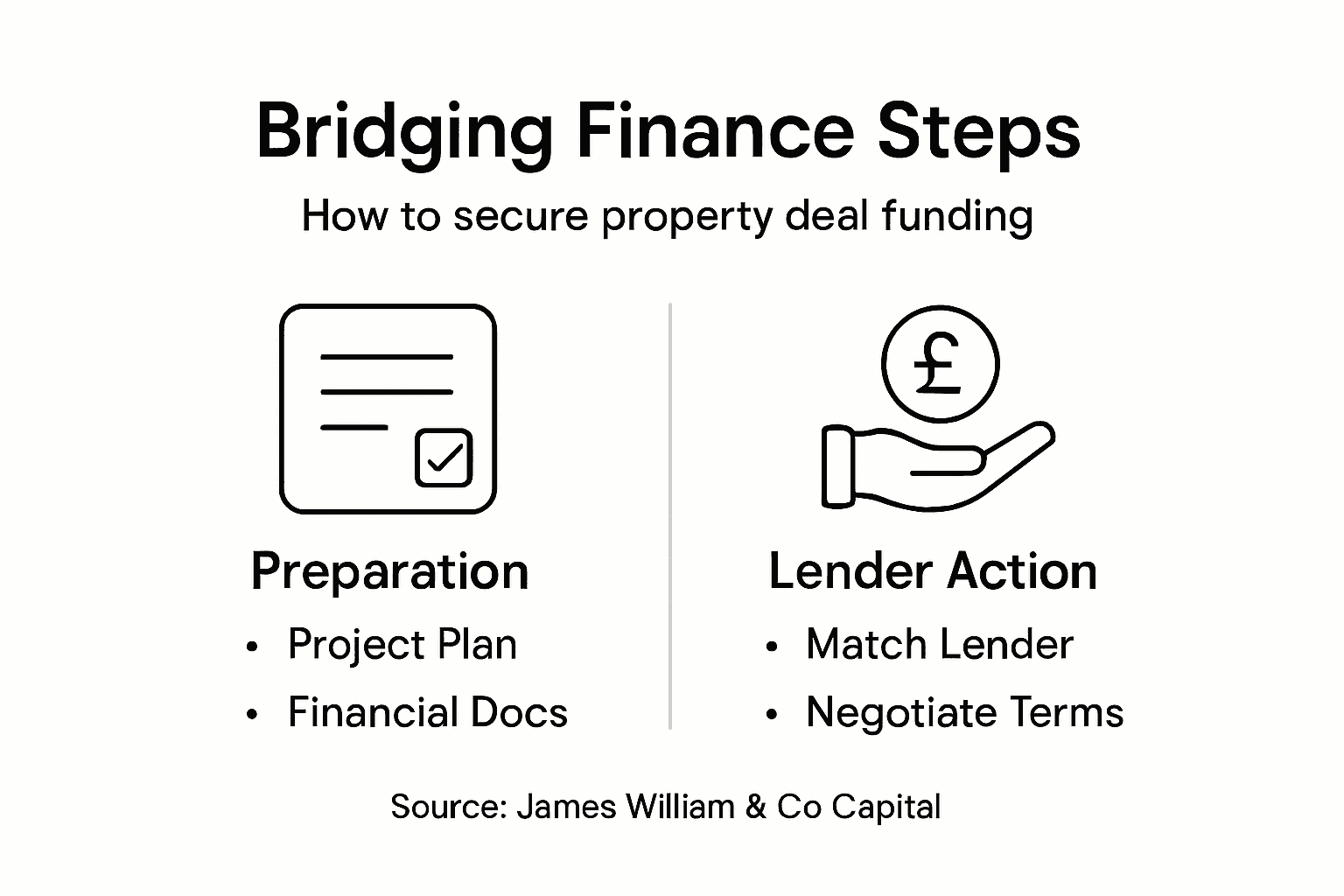
Prioritise building relationships with experienced brokers and financial intermediaries who can provide introductions to multiple lenders. These professionals understand the subtle differences between lenders and can help match your project with the most appropriate funding sources. Prepare a compelling investment prospectus that highlights your track record, project feasibility, and robust exit strategy to increase your attractiveness to potential lending partners.
Expert Recommendation: Cultivate a network of professional intermediaries and maintain updated financial documentation to streamline lender engagement and demonstrate your investment readiness.
The table below illustrates different bridging lender types and their distinctive characteristics:
| Lender Type | Typical Loan Criteria | Flexibility Level | Sector Expertise |
|---|---|---|---|
| Mainstream Bank | Strict, conventional limits | Low | Limited, general property |
| Specialist Bridging Firm | Tailored, up to 75% LTV | High | Residential, commercial |
| Private Bank | Custom terms, bespoke deals | Medium | Luxury, complex finance |
| Family Office | Discretionary relationships | High | Niche & unique projects |
Step 4: Present application and negotiate key terms
Submitting a bridging finance application represents a critical moment where your financial preparation meets potential lender scrutiny. Your objective is to present a compelling case that demonstrates both professional competence and investment potential.
Begin by meticulously preparing your bridging loan application package, ensuring every document reflects precision and strategic thinking. Lenders will evaluate your submission through multiple lenses, focusing intently on your exit strategy, project feasibility, and financial projections. This means presenting comprehensive documentation that showcases not just your project details, but your understanding of potential risks and mitigation strategies. Focus on crafting a narrative that illustrates your thorough preparation and professional approach to the potential investment.
Negotiation requires a nuanced understanding of lender priorities, which fundamentally centre on repayment certainty and risk management. Financial forecast negotiations demand transparency and realistic projections. Be prepared to discuss arrangement fees, monthly interest rates, loan duration, and potential early repayment penalties. Approach these discussions collaboratively, demonstrating your commercial awareness and willingness to work constructively with potential financial partners. Your goal is to establish a mutually beneficial relationship that goes beyond a simple transactional interaction.
Expert Recommendation: Develop a comprehensive negotiation strategy that anticipates potential lender concerns and prepares transparent, evidence-based responses to strengthen your application.
Step 5: Verify approval and complete legal processes
Reaching the legal verification stage represents a pivotal moment in your bridging finance journey where careful preparation transforms into tangible financial commitment. Your primary objective is to navigate the final administrative hurdles with precision and professional diligence.
Begin by thoroughly reviewing the legal documentation process with your appointed solicitor. This stage involves comprehensive due diligence, including meticulous checks on property titles, transaction robustness, and ensuring all borrower covenants are fully understood and acceptable. Expect a detailed examination of loan terms, security documents, and compliance requirements. Your solicitor will play a crucial role in verifying that all legal conditions are met within the stipulated timescales, safeguarding your interests throughout the transaction.
The final stages of legal verification involve formal execution of loan agreements, registering necessary charges, and preparing for fund drawdown. Bridging loan completion procedures demand absolute attention to detail, with tight timelines typical in UK property finance markets. Coordinate closely with your legal representatives to ensure all documentation is correctly processed, signed, and submitted. Be prepared to provide any additional information or documentation promptly to prevent unnecessary delays in your funding timeline.
Expert Recommendation: Maintain open communication channels with your solicitor and lender, proactively addressing any potential documentation issues to expedite the legal verification process.
Navigate Bridging Finance Challenges with Expert Capital Advisory
Securing bridging finance for property deals requires precise financial documentation, tailored lender identification, and expert negotiation to meet demanding lender criteria. If you find yourself overwhelmed by forecasting complexities or uncertain about presenting a credible exit strategy, you are not alone. Clear, professional structuring of your development finance can make the difference between approval and delay.
James William & Co Capital specialises in arranging bespoke bridging and development finance solutions across the United Kingdom. With a deep network of family offices, private credit funds, and specialist lenders, we know how to design multi-layered debt stacks and bespoke covenant packages that align with your unique project goals. From rapid financing for large-scale acquisitions to complex refinances, we provide a “capital concierge” approach that supports you through every step of your property development journey.
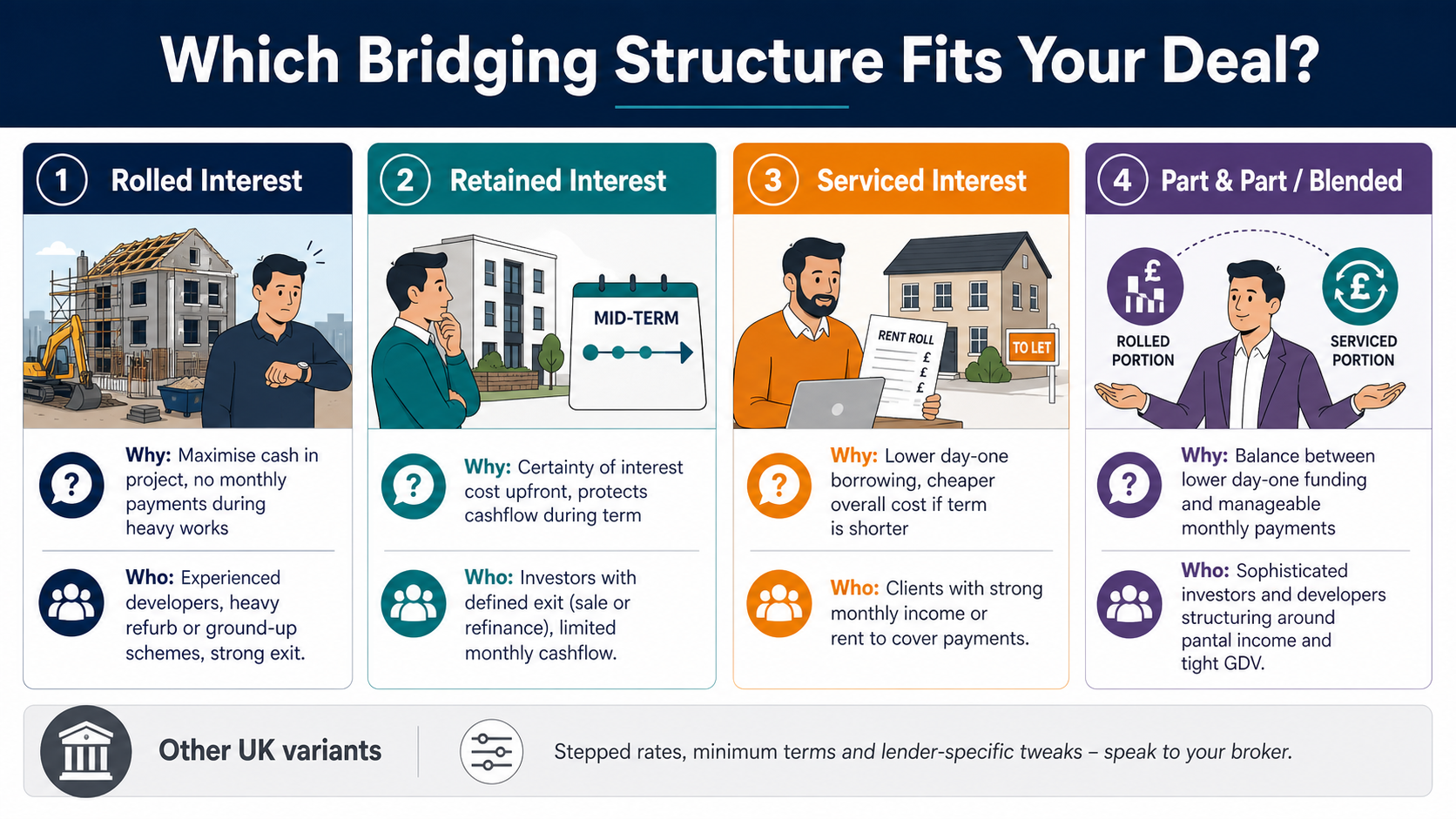
Ready to overcome bridging finance hurdles with confidence and speed Visit James William & Co Capital today for tailored advice and structured funding that meets your precise needs. Discover how our expertise in bridging loan application, exit strategy planning, and lender negotiation can turn your property ambitions into reality. Don’t wait until deadlines loom Engage a trusted capital advisory partner now and secure the financing your project deserves.
Frequently Asked Questions
What are the key project requirements for securing bridging finance?
To secure bridging finance, it’s crucial to clearly define your project objectives, including acquisition costs, renovation expenses, and potential market value post-renovation. Map out these financial parameters meticulously to demonstrate viability to lenders.
How should I prepare my financial documentation for a bridging loan application?
Compile a comprehensive application package that includes proof of identity, detailed property valuations, and evidence of your development experience. Ensure that your financial forecasts and cost plans are precise to bolster lender confidence in your project.
How do I identify suitable bridging lenders for my property development?
Conduct thorough market research to find lenders who specialise in property development financing and understand your specific project type. Focus on building relationships with experienced brokers who can provide introductions to potential funding sources that match your needs.
What should I include in my bridging finance application to make it compelling?
Present a well-organised application that showcases your project details, including a robust exit strategy and risk mitigation plans. Highlight your financial forecasts and readiness to engage in negotiations, demonstrating your professionalism to potential lenders.
What legal processes must I follow after securing bridging finance approval?
Review the legal documentation carefully with your solicitor to ensure compliance with loan terms and property titles. Maintain close communication with your legal team to address any issues promptly and facilitate the timely completion of all processes.
Recommended
- James William & Co Capital | Specialist Property Finance
- James William & Co Capital | Specialist Property Finance
- James William & Co Capital | Specialist Property Finance
- James William & Co Capital | Specialist Property Finance
- Investment Property Guide Croatia: Secure Your Ideal Asset
- Understanding the Role of Brokers in Landlord Insurance - Rental Income Insurance
- Cost Planning for Developers | Construction Estimating UK
Related Topics
Speak to a specialist
Discuss your finance with James directly
Whole-of-market specialist finance — bridging, development, commercial and residential. No call centres, no obligation. James reviews every enquiry personally.
New to specialist finance? How unbiased broker advice works · Deals we have completed
Explore Related Finance