
Published · Updated
offshore vehicle structuring guideOffshore vehicle structuring guide for UK investors
By James Dawes, CeMAP, Founder, James William & Co Capital

TL;DR:
- Offshore vehicle structuring involves creating legal entities across jurisdictions to optimize taxes and protect assets. Building structures with clear purpose, genuine substance, and proper documentation helps ensure compliance and banking acceptance in 2026. Proper planning and transparency make offshore structures easier to finance, exit, and defend.
Offshore vehicle structuring is the process of organising legal entities across multiple jurisdictions to achieve tax efficiency, protect assets, and enable cross-border investment. In practice, this means creating a purposeful chain of companies, trusts, or funds, each with a defined role in holding, operating, or financing assets. The standard industry term for this practice is “offshore entity formation,” though the broader offshore vehicle structuring guide covers everything from jurisdiction selection to governance documentation. In 2026, the regulatory environment has shifted decisively: structures built for resilience and transparency now outperform those built purely for secrecy. James William & Co works with this reality daily, structuring multi-layered debt stacks and offshore vehicles for UK property developers and high-net-worth investors.
What is an offshore vehicle structuring guide?
Before incorporating a single entity, you need to define the commercial purpose of the structure. Tax avoidance as a standalone rationale is increasingly rejected by banks and regulators alike. Defensible structures serve legitimate commercial or governance purposes, such as centralising ownership across multiple assets, isolating liability between projects, or facilitating cross-border capital flows.
Jurisdiction assessment
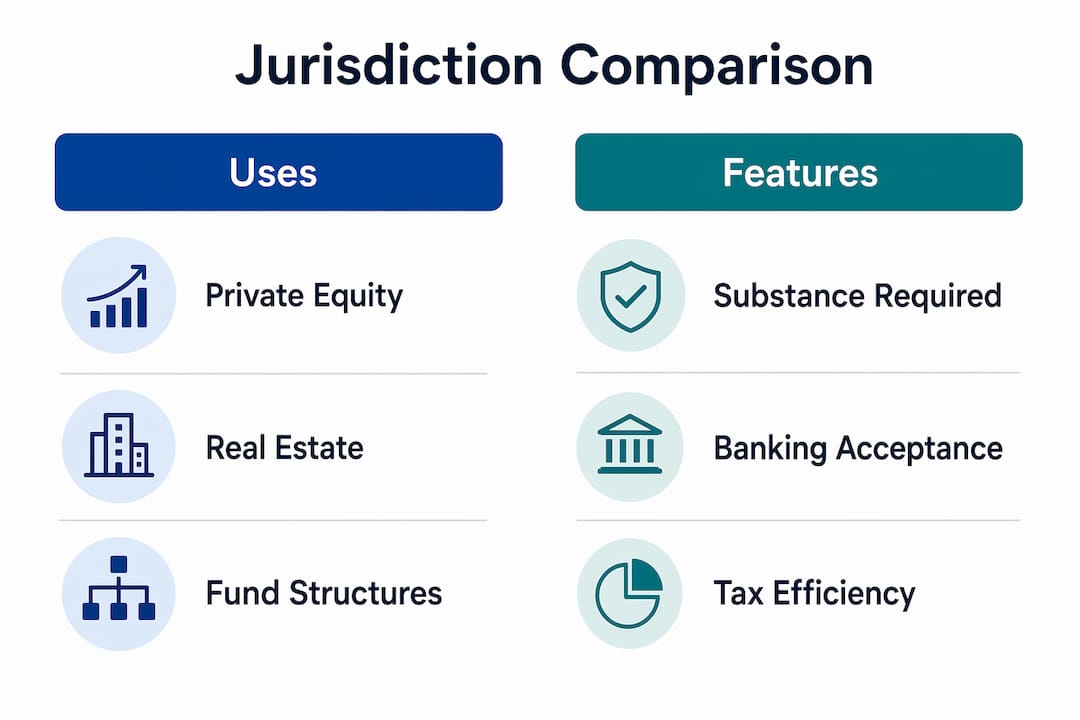
Jurisdiction selection is not about finding the lowest tax rate. Matching jurisdictional strengths to your specific investor needs and banking acceptance criteria is the correct starting point. The Cayman Islands suits private equity and fund structures. The British Virgin Islands (BVI) works well for cost-effective holding companies. The UAE offers substance-friendly conditions for operational entities.
Documentation you need before you start
Gather the following before approaching any incorporation agent or bank:
- Beneficial ownership information for every individual holding 25% or more
- Source-of-funds evidence and a clear structure rationale document
- Substance evidence relevant to your chosen jurisdiction (office leases, local payroll records, board minutes)
- A corporate chart showing the full ownership chain from ultimate beneficial owner (UBO) to operating entity
- Copies of constitutional documents for any existing entities in the chain
| Jurisdiction | Primary use | Substance requirement | Banking acceptance |
|---|---|---|---|
| Cayman Islands | Private equity, funds | High | Strong |
| BVI | Holding companies | Moderate | Good |
| UAE (DIFC/ADGM) | Operational entities | High | Strong |
| Jersey | Real estate holding | Moderate | Strong |
| Malta | EU-facing structures | High | Good |
Getting this documentation right before incorporation saves weeks of delay at the banking stage.
How do you set up an offshore vehicle step by step?
Offshore company setup involves a multistep process covering compliance checks, governance documentation, and banking readiness, typically taking several weeks from start to finish. Rushing any stage creates problems that surface later, usually at the worst possible moment.
- Define the use case. Decide whether the entity will hold assets, operate a business, act as a treasury vehicle, or serve as a general partner in a fund structure.
- Select the jurisdiction. Match the jurisdiction to the purpose, not to the tax rate. Consider substance requirements, banking relationships, and treaty access.
- Choose the entity type. Options include limited companies, limited partnerships, limited liability companies, and protected cell companies, each with different governance and liability profiles.
- Appoint a registered agent. Select a regulated agent in the chosen jurisdiction. The agent handles incorporation filings and maintains the registered office.
- Reserve and register the company name. Confirm the name meets local naming rules and does not conflict with existing registrations.
- File incorporation documents. Submit memorandum and articles of association, director and shareholder details, and any required regulatory declarations.
- Register beneficial ownership. File UBO information with the relevant registry. This is a legal requirement across FATF-compliant jurisdictions.
- Establish governance documentation. Draft shareholder agreements, board resolutions, and any operating agreements. These documents form the backbone of your substance evidence.
- Prepare the banking file. Compile KYC documents, source-of-funds evidence, corporate structure charts, and the commercial rationale for the structure.
- Open the corporate bank account. Submit the banking file to your chosen institution. Expect enhanced due diligence for offshore entities.
- Conduct an initial substance review. Confirm that the entity meets local substance requirements from day one, not retrospectively.
Pro Tip: Prepare your banking-ready KYC and source-of-funds file before incorporation, not after. Banks routinely reject offshore entities whose documentation does not clearly explain the structure’s commercial rationale. A well-prepared banking file prevents the most common cause of delay.
Structures that lack clear ownership or purpose are described in practice as “orphaned” entities. A purposeful, layered approach that aligns custody, ownership, and operations keeps the structure both bankable and compliant.

How do you meet 2026 compliance requirements?
The two non-negotiable compliance pillars in 2026 are beneficial ownership disclosure and economic substance. Both carry real consequences if ignored.
Beneficial ownership disclosure
The 25% UBO threshold is the standard disclosure requirement across FATF-compliant jurisdictions. Any individual who owns or controls 25% or more of an offshore entity must be fully disclosed to financial institutions and, in many jurisdictions, to a public or semi-public registry. This threshold applies at every layer of the structure, not just the top holding company. Missing a UBO at a subsidiary level is a common and costly error.
Economic substance rules
OECD economic substance requirements mandate that offshore entities prove genuine local activity or face penalties enforced through the Common Reporting Standard (CRS). This means substance compliance must be maintained separately for each jurisdiction where the entity has relevant activity.
Substance evidence must be tangible. Genuine operational activity means demonstrating payroll records, office leases, and board minutes showing decisions made locally, not just a registered address. The following evidence types are accepted across BVI, Cayman, and UAE jurisdictions:
- Local office lease agreements
- Payroll records for locally employed staff
- Board minutes showing key management decisions taken in the jurisdiction
- Evidence of local expenditure on operations
- Director attendance records for in-person board meetings
Substance is not a box-ticking exercise. Regulators and banks now scrutinise whether the entity genuinely operates where it claims to be based. A structure that passes incorporation but fails substance review will face penalties, banking difficulties, and potential blacklisting from correspondent banking networks. Build substance into the design of the structure, not as an afterthought.
Pro Tip: Schedule a substance review every six months. Update board minutes, payroll records, and lease agreements as they change. Gaps in the substance record are harder to explain retrospectively than they are to prevent.
For UK investors using offshore vehicles within real estate strategies, understanding property finance trends in 2026 is equally relevant, particularly regarding nominee structures and full ownership disclosure requirements.
What structural models work best for different investment goals?
Offshore structures follow recognisable patterns. The right model depends on your investment goals, the number of jurisdictions involved, and the nature of the assets being held.
Layered holding structures
The most common model uses three layers: a holding company at the top, an operational company in the middle, and a treasury or finance vehicle at the base. The holding company owns the shares. The operational company runs the business or holds the assets. The treasury vehicle manages cash flows, intercompany loans, and currency positions. This separation isolates liability and creates clear governance at each level.
Real estate offshore vehicles
Real estate investors typically use a BVI or Jersey holding company to own shares in a UK special purpose vehicle (SPV). The SPV holds the property directly. This structure separates the property asset from the investor’s personal balance sheet and can facilitate real estate debt arrangements with specialist lenders who require clean SPV structures.
| Structure type | Best suited for | Key benefit | Substance requirement |
|---|---|---|---|
| BVI holding company | Cost-effective asset holding | Low cost, flexible | Moderate |
| Cayman fund structure | Private equity, multi-investor | Investor familiarity | High |
| UAE operational entity | Active business, treasury | Strong banking access | High |
| Jersey real estate vehicle | UK property holding | Treaty access, banking | Moderate |
| Malta EU structure | EU-facing operations | EU treaty network | High |
Pro Tip: Align the structure to your long-term exit strategy from the outset. A structure designed for a five-year hold and sale requires different governance and substance arrangements than one designed for perpetual income generation. Changing the structure mid-hold is expensive and disruptive.
Centralising ownership through a single holding company simplifies governance but concentrates risk. Separating liabilities across multiple entities protects individual assets but increases compliance costs. The right balance depends on the number of assets, the investor base, and the jurisdictions involved. For guidance on optimising real estate funding, the structural layer between the investor and the asset matters as much as the financing terms themselves.
Key takeaways
Offshore vehicle structuring succeeds when jurisdiction selection, ownership mapping, substance compliance, and governance documentation are aligned to a clear commercial purpose from day one.
| Point | Details |
|---|---|
| Purpose drives structure | Define the commercial rationale before selecting a jurisdiction or entity type. |
| UBO disclosure is mandatory | Any individual with 25% or more ownership must be disclosed at every structural layer. |
| Substance must be genuine | Payroll, office leases, and board minutes are required evidence, not optional extras. |
| Banking readiness is critical | Prepare the KYC and source-of-funds file before incorporation to avoid rejection. |
| Jurisdiction choice is strategic | Match the jurisdiction to the investment purpose and banking acceptance, not the tax rate. |
Offshore structuring in 2026: what I have learned
The structures that hold up in 2026 are not the ones with the most layers or the most exotic jurisdictions. They are the ones with the clearest purpose.
I have seen investors spend considerable sums incorporating entities in multiple jurisdictions, only to find that no bank will touch the structure because the commercial rationale is unclear. The documentation exists, but it does not tell a coherent story. That is the most common failure mode I encounter, and it is entirely avoidable.
The shift from secrecy to resilience is real. Regulators, banks, and counterparties all expect transparency now. The investors who adapt to this expectation and build structures that can withstand scrutiny are the ones who operate without friction. The ones who resist it spend their time managing banking crises and compliance reviews instead of deploying capital.
Purpose-driven layered structuring is not a concession to regulators. It is genuinely better practice. A structure with clear ownership, defined roles at each layer, and documented substance is easier to finance, easier to exit, and easier to defend. That combination of qualities is worth more than any marginal tax saving from a poorly designed structure.
The non-traditional financing options available to offshore-structured real estate investors have also expanded significantly. Understanding flexible ownership structures alongside the offshore vehicle design gives you a more complete picture of what is achievable.
— James
How James William & Co supports your offshore structuring
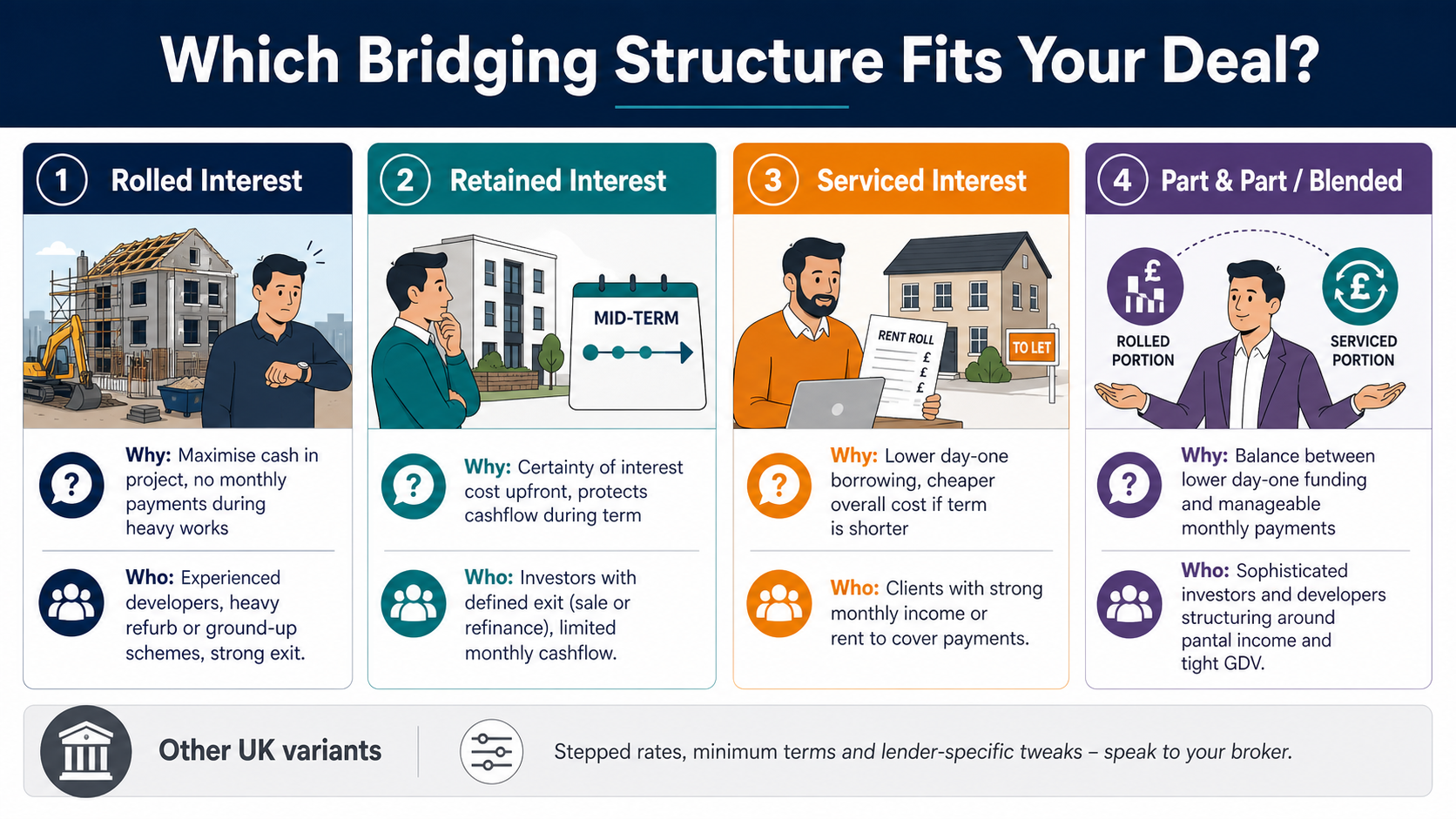
James William & Co works with UK property developers, institutional investors, and high-net-worth clients who use offshore vehicles as part of their financing and asset protection strategies. The firm’s specialist property finance team understands how offshore holding structures interact with bridging finance, development debt, mezzanine layers, and JV equity arrangements.
Whether you are establishing a BVI holding company for a UK real estate acquisition, structuring a multi-layered debt stack across jurisdictions, or refinancing an existing offshore vehicle, James William & Co provides end-to-end structuring, lender negotiation, and execution through a single point of contact. The firm’s network of family offices, private credit funds, and specialist lenders means that compliant, well-documented offshore structures receive the financing they deserve. Contact James William & Co to discuss your structure.
FAQ
What is offshore vehicle structuring?
Offshore vehicle structuring is the process of organising legal entities across jurisdictions to achieve tax efficiency, asset protection, and governance clarity. Each entity in the structure serves a defined purpose, such as holding assets, operating a business, or managing cash flows.
What is the UBO disclosure threshold for offshore entities?
Any individual owning 25% or more of an offshore entity must be disclosed to financial institutions under FATF guidelines. This threshold applies at every layer of the structure, not only at the top holding company level.
Which jurisdictions are best for offshore holding companies?
The Cayman Islands suits private equity and fund structures, the BVI works well for cost-effective holding companies, and the UAE offers strong banking access for operational entities. Jurisdiction choice should match the investment purpose and banking acceptance criteria, not solely the tax rate.
What evidence is required for economic substance compliance?
Entities must demonstrate genuine local activity through payroll records, office lease agreements, and board minutes showing key decisions taken in the jurisdiction. Nominal registration alone does not satisfy OECD substance requirements enforced through CRS.
How long does offshore company setup take?
Offshore company setup typically takes several weeks from defining the use case to achieving full banking readiness. Preparing a complete KYC and source-of-funds file before incorporation significantly reduces delays at the banking stage.
Recommended
Related Topics
Speak to a specialist
Discuss your finance with James directly
Whole-of-market specialist finance — bridging, development, commercial and residential. No call centres, no obligation. James reviews every enquiry personally.
New to specialist finance? How unbiased broker advice works · Deals we have completed
Explore Related Finance