
Published · Updated
what is property acquisition fundingProperty Acquisition Funding: Securing Large UK Deals
By James Dawes, CeMAP, Founder, James William & Co Capital

Securing funding for substantial property acquisitions in the United Kingdom often demands more than traditional loan arrangements. For high-net-worth investors and professional developers, navigating the intricacies of property acquisition funding is essential for unlocking complex investment opportunities and supporting ambitious regeneration projects. With guidance from regulatory bodies like CIPFA and HM Treasury, and active support from UK Government programmes, sophisticated financing solutions are now enabling tailored strategies suited for large-scale transactions and multifaceted refinancing.
Table of Contents
- What Is Property Acquisition Funding UK?
- Types of Property Acquisition Financing Options
- How Structured Financing Solutions Work
- Legal Requirements and Regulatory Framework
- Risk Management and Financial Implications
- Common Mistakes and How to Avoid Them
Key Takeaways
| Point | Details |
|---|---|
| Property Acquisition Funding | In the UK, property acquisition funding is vital for fostering economic development, enabling large transactions, and supporting various initiatives. |
| Diverse Financing Options | Investors can choose from various financing mechanisms such as commercial mortgages and bridging finance, each catering to different needs. |
| Legal and Regulatory Considerations | Navigating legal requirements and ensuring compliance is crucial for property transactions to protect interests and avoid pitfalls. |
| Risk Management | Comprehensive risk assessment and the establishment of contingency funds are essential for successful property acquisition and investment sustainability. |
What Is Property Acquisition Funding UK?
Property acquisition funding represents a sophisticated financial strategy designed to enable property developers, investors, and organisations to secure large-scale real estate purchases through specialised financing mechanisms. These funding arrangements are complex financial tools that bridge the gap between property ambition and capital availability.
In the United Kingdom, property acquisition funding serves multiple strategic purposes, including:
- Supporting economic development initiatives
- Facilitating regeneration projects
- Protecting local employment opportunities
- Enabling large-scale property transactions for private and public sector entities
The UK Government actively supports property acquisition through strategic programmes. For instance, government housing development initiatives have created frameworks that help developers and landowners accelerate building and property use.
Funding mechanisms can vary widely, ranging from traditional bank loans to more innovative financing structures like prudential borrowing. Local authority property strategies often incorporate specific guidelines from regulatory bodies such as CIPFA (Chartered Institute of Public Finance and Accountancy) and HM Treasury to ensure financial prudence.
Key considerations for property acquisition funding include:
- Assessing project feasibility
- Understanding risk profiles
- Evaluating potential returns
- Aligning with broader financial strategies
- Complying with regulatory requirements
Pro tip: Before pursuing large property acquisitions, conduct comprehensive due diligence and consult with specialist property finance professionals who understand the nuanced UK property investment landscape.
Types of Property Acquisition Financing Options
Property acquisition financing encompasses a diverse range of funding mechanisms tailored to meet the complex needs of real estate investors and developers in the United Kingdom. These financial instruments are designed to provide flexible capital solutions for various property investment strategies.
Key financing options include:
- Commercial Mortgages: Traditional long-term lending for property purchases
- Bridging Finance: Short-term funding to bridge financial gaps
- Development Finance: Specific funding for property development projects
- Mezzanine Debt: Hybrid financing combining debt and equity characteristics
- Asset-Based Lending: Financing secured against property value
Local authority property acquisition strategies reveal that public sector entities often utilise prudential borrowing frameworks to support strategic property investments. These approaches allow organisations to finance acquisitions within carefully defined financial parameters established by CIPFA and HM Treasury guidelines.
Each financing option presents unique characteristics and suitability for different investment scenarios. Commercial mortgages typically offer lower interest rates for long-term property holdings, while bridging finance provides rapid capital access for time-sensitive opportunities. Development finance specifically supports ground-up construction and significant property transformation projects.

The following table compares key property acquisition financing options commonly used in the UK:
| Financing Option | Typical Use Case | Example Interest Rate | Repayment Period |
|---|---|---|---|
| Commercial Mortgage | Purchasing long-term assets | 3%-5% | 10-30 years |
| Bridging Finance | Covering short-term funding gaps | 7%-12% | 3-18 months |
| Development Finance | Construction and refurbishment | 5%-10% | 1-3 years |
| Mezzanine Debt | Supplementing primary loans | 10%-20% | 3-7 years |
| Asset-Based Lending | Leveraging property as collateral | 4%-8% | 1-5 years |
Advanced financing structures may involve complex arrangements such as:
- Syndicated loan facilities
- Joint venture equity partnerships
- Offshore funding vehicles
- Structured debt packages
- Private credit arrangements
Pro tip: Consult with specialised property finance professionals to design a bespoke funding strategy that aligns precisely with your specific investment objectives and risk tolerance.
How Structured Financing Solutions Work
Structured financing solutions represent sophisticated financial engineering techniques designed to optimise capital deployment and manage complex investment risks in property acquisition. These advanced financial mechanisms enable investors to create flexible, tailored funding approaches that address specific project requirements.
Key components of structured financing typically include:
- Risk mitigation strategies
- Customised capital allocation
- Multi-layered funding sources
- Performance-linked payment structures
- Flexible contractual arrangements
Innovative investment strategies demonstrate how blending public and private capital can effectively mobilise resources while distributing financial risks across multiple stakeholders. This approach allows for more complex and ambitious property investment initiatives that might otherwise be financially unfeasible.
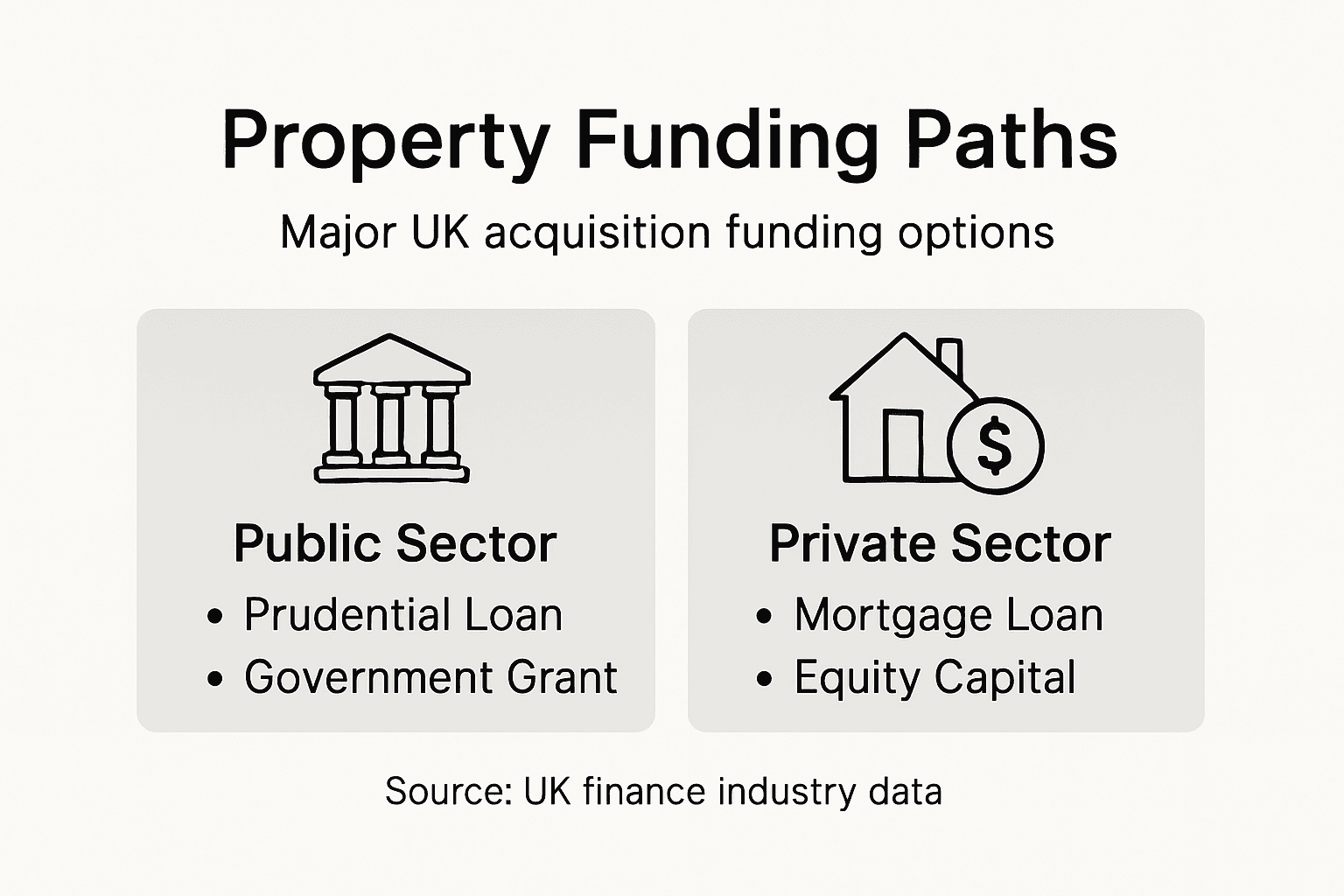
The process involves carefully constructing financial packages that combine different funding sources, such as institutional investments, government grants, private equity, and specialist lending. Each layer of funding brings unique characteristics, creating a nuanced approach to capital acquisition that can be precisely tailored to specific project requirements.
Typical structured financing arrangements often incorporate:
- Senior debt from traditional lenders
- Mezzanine funding
- Equity contributions
- Governmental or institutional guarantees
- Performance-linked investment tranches
Pro tip: Engage financial engineering specialists who can design bespoke funding structures that precisely match your investment’s risk profile and strategic objectives.
Legal Requirements and Regulatory Framework
Property acquisition in the United Kingdom involves navigating a complex landscape of legal requirements and regulatory frameworks that protect both investors and property interests. Understanding these intricate legal mechanisms is crucial for ensuring compliant and secure property transactions.
Key legal considerations include:
- Property ownership transfer regulations
- Conveyancing legal protocols
- Registration of property interests
- Compliance with national property laws
- Protection of equitable interests
Comprehensive property legislation establishes fundamental legal principles governing property acquisition, defining how legal estates and equitable interests can be created, transferred, and protected. The Law of Property Act 1925 remains a cornerstone legislative framework that underpins most property transaction guidelines in the United Kingdom.
Additionally, property developers must navigate stringent building regulatory requirements that establish mandatory standards for construction, health and safety, and environmental performance. These regulations ensure that property acquisitions and subsequent developments meet national compliance standards across planning, execution, and completion stages.
Critical legal documentation and compliance processes typically involve:
This summary table highlights major legal documents required for UK property acquisition:
| Document Type | Key Purpose | Responsible Party |
|---|---|---|
| Title Deed | Verifies legal ownership | Seller and solicitor |
| Land Registry Entry | Confirms official property registration | Solicitor |
| Contract of Sale | Sets transaction terms and obligations | Buyer and seller |
| Planning Permission | Authorises property alterations/development | Local council |
| Stamp Duty Return | Details tax obligations on acquisition | Buyer |
- Title deed verification
- Land registry searches
- Contractual agreement drafting
- Stamp duty assessment
- Planning permission verification
Pro tip: Always engage a specialist property solicitor with extensive experience in complex property transactions to ensure comprehensive legal due diligence and regulatory compliance.
Risk Management and Financial Implications
Property acquisition risk management represents a critical strategic process involving comprehensive financial analysis and proactive mitigation strategies. Sophisticated investors understand that successful property transactions extend far beyond initial purchase considerations, requiring detailed examination of potential financial vulnerabilities and market dynamics.
Key risk management components include:
- Market value fluctuation assessment
- Comprehensive financial scenario modelling
- Liquidity risk evaluation
- Investment portfolio diversification
- Contingency fund planning
Performance and risk reporting provides essential frameworks for making informed investment decisions, enabling stakeholders to balance financial sustainability with operational performance and identify potential risks before they escalate.
Financial implications of property acquisition involve intricate calculations beyond the purchase price, encompassing ongoing maintenance costs, potential renovation expenses, taxation considerations, and projected market value trajectories. Investors must develop sophisticated financial models that account for multiple potential scenarios, including market downturns, interest rate fluctuations, and unexpected property maintenance requirements.
Critical financial risk assessment processes typically involve:
- Comprehensive property valuation
- Detailed market trend analysis
- Investment return projection
- Stress testing financial models
- External economic factor evaluation
Pro tip: Develop a dynamic risk management strategy that includes regular financial model reassessment and maintains flexible contingency provisions to adapt to changing market conditions.
Common Mistakes and How to Avoid Them
Property acquisition involves numerous potential pitfalls that can significantly undermine investment strategies and financial outcomes. Sophisticated investors must develop a keen understanding of common errors to protect their capital and maximise potential returns.
Frequent mistakes in property acquisition include:
- Insufficient due diligence
- Overlooking hidden property costs
- Inadequate risk assessment
- Emotional decision-making
- Neglecting market trend analysis
Property fraud protection represents a critical consideration often overlooked by inexperienced investors. The UK government provides specific services to help property owners monitor suspicious activity and prevent potential financial losses through proactive registration and alert mechanisms.
Many investors make critical errors during the acquisition process by failing to conduct comprehensive background checks, underestimating renovation costs, or miscalculating potential investment returns. These oversights can transform what appears to be a promising investment into a financial liability, highlighting the importance of meticulous research and professional guidance.
Key strategies to mitigate common acquisition mistakes include:
- Conduct thorough property investigations
- Engage specialist property solicitors
- Perform comprehensive market research
- Build contingency funds
- Maintain objective, data-driven decision-making
Pro tip: Always allocate additional financial buffer of 10-15% beyond initial project estimates to accommodate unexpected expenses and market fluctuations.
Unlock Expert Funding Solutions for Large UK Property Acquisitions
Navigating the complex world of property acquisition funding in the United Kingdom requires more than just capital. The article highlights challenges like securing multi-layered debt stacks, managing bridging and development finance, and complying with rigorous legal and regulatory frameworks. These issues can stall even the most promising projects and create costly delays. At James William & Co Capital, we understand these pain points and specialise in crafting bespoke funding strategies that align with your project goals and risk profile.
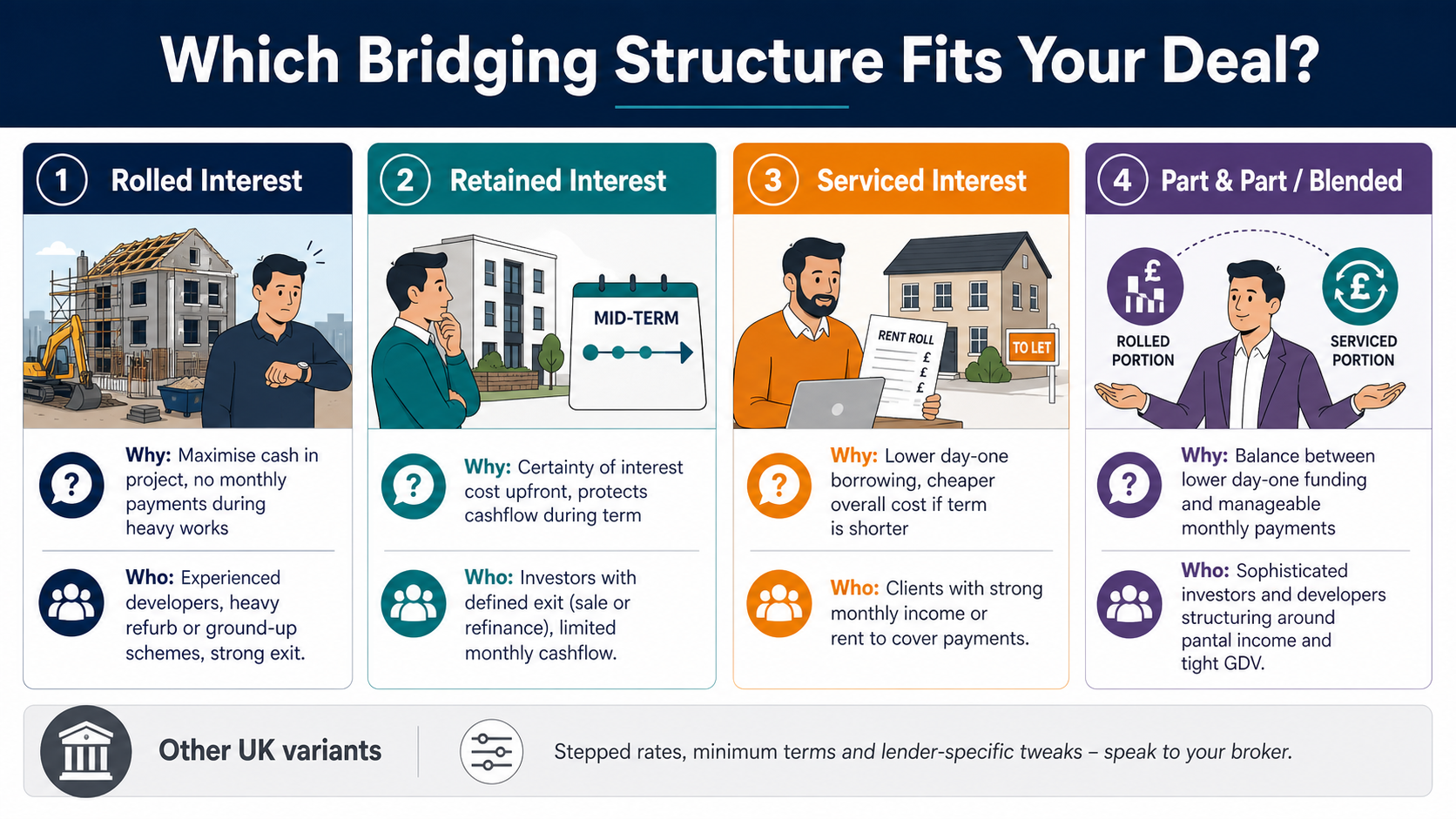
Experience the advantage of working with a dedicated capital concierge who offers seamless access to commercial mortgages, mezzanine debt and joint venture equity tailored for high-value transactions. Whether you are a property developer, institutional investor or high-net-worth client, our network of family offices and specialist lenders delivers rapid, expert structuring and execution. Do not let financing hurdles hold back your UK property acquisition ambitions. Visit James William & Co Capital today and unlock funding solutions designed for complexity and speed. Learn more about how we structure innovative deals at https://jwcapital.co.uk and take the next step towards securing your large-scale UK property investment.
Frequently Asked Questions
What is property acquisition funding?
Property acquisition funding refers to a financial strategy that enables property developers and investors to secure large-scale real estate purchases through various funding mechanisms designed to bridge the gap between capital availability and property ambitions.
What types of financing options are available for property acquisition?
Common financing options include commercial mortgages, bridging finance, development finance, mezzanine debt, and asset-based lending. Each option serves different purposes and has specific characteristics suited for various investment scenarios.
What legal requirements must be considered during property acquisition?
Key legal requirements include property ownership transfer regulations, conveyancing protocols, registration of property interests, compliance with national property laws, and protection of equitable interests. Engaging a specialist property solicitor is recommended to navigate these complexities.
How can I manage risks associated with property acquisition?
Risk management involves assessing market value fluctuations, conducting financial scenario modelling, evaluating liquidity risks, diversifying your investment portfolio, and planning for contingencies. Developing a dynamic strategy that includes regular financial assessments is crucial for successful property acquisition.
Recommended
- James William & Co Capital | Specialist Property Finance
- James William & Co Capital | Specialist Property Finance
- James William & Co Capital | Specialist Property Finance
- James William & Co Capital | Specialist Property Finance
- Estate Agents San Pedro - Luxury Villas and Apartments for Sale | Marbellapads
Related Topics
Speak to a specialist
Discuss your finance with James directly
Whole-of-market specialist finance — bridging, development, commercial and residential. No call centres, no obligation. James reviews every enquiry personally.
New to specialist finance? How unbiased broker advice works · Deals we have completed
Explore Related Finance