
Published · Updated
real estate due diligence checklistReal estate due diligence checklist for UK investors
By James Dawes, CeMAP, Founder, James William & Co Capital

TL;DR:
- A real estate due diligence checklist is a structured process that verifies financial, legal, physical, environmental, and insurance aspects of a property before acquisition. It involves timely, parallel workstreams with assigned owners and strict deadlines to reduce risks and protect investment value. Proper discipline in managing the checklist ensures a smooth closing, avoiding costly delays or overlooked issues.
A real estate due diligence checklist is a structured, actionable set of investigations covering financial performance, physical condition, legal title, environmental risk, financing, and insurance, designed to systematically reduce investment risk before property acquisition. For UK developers and investors, this process is the single most consequential phase of any transaction. The due diligence period typically runs 30 to 60 days from purchase and sale agreement execution, with complex assets requiring 90 days or more. Miss a verification step and you inherit the liability. The checklist below transforms that window into a controlled, owned process rather than a scramble.

1. Financial due diligence: documents and verification steps
Financial due diligence is the process of independently verifying every income and expense figure a seller presents, rather than accepting their proforma at face value. The gap between a seller’s projected net operating income and actual performance is where deals unravel.
Key financial documents to request on day one include:
- Trailing 12-month operating statements
- Three to five years of historical profit and loss accounts
- Unit-by-unit rent roll with lease start and expiry dates, passing rent, and any rent-free periods
- Property tax bills and utility invoices
- Service charge and common area maintenance reconciliation records
- Tenant credit reports and bad debt history
Once received, compare the actual net operating income against the seller’s proforma line by line. Sellers routinely understate vacancy rates or exclude capital expenditure items. Reviewing CAM reconciliation records also reveals whether tenants have been correctly billed, which affects both income accuracy and lease compliance.
Pro Tip: Prioritise auditing the rent roll within the first 48 hours of receiving seller deliverables. Discrepancies in passing rent or lease expiry dates cascade into every other financial model you build.
2. Physical inspections: what to order and when
Physical due diligence confirms that the asset you are buying matches the asset described in the marketing materials. Structural defects, deferred maintenance, and mechanical failures are the most common sources of post-acquisition cost overruns.
Schedule the following inspections immediately upon entering the due diligence period:
- Full structural and building survey
- Roof condition report
- Mechanical, electrical, and plumbing assessment
- Lift and escalator inspection where applicable
- ADA and Disability Discrimination Act compliance review
- Asbestos and fire safety surveys
- Property condition assessment covering all major building systems
A property condition assessment, or PCA, provides a capital expenditure forecast over a 10 to 12 year horizon. This figure directly informs your reserve assumptions and purchase price negotiation. Do not wait for the PCA before starting other workstreams. Environmental and title reports can take two to four weeks to complete, so commission them on day one of the diligence period.
Pro Tip: Run your environmental and title workstreams in parallel with physical inspections. Waiting for one before starting the other is the most common cause of timeline overruns on commercial acquisitions.
3. Environmental assessments: Phase I ESA and ASTM E1527-21
Environmental risk is non-negotiable in any property acquisition. A Phase I Environmental Site Assessment, conducted in compliance with ASTM E1527-21, is the recognised standard for satisfying All Appropriate Inquiries and protecting buyers from inherited environmental liability. Without a compliant Phase I ESA, a buyer has no statutory defence against contamination claims.
The ASTM E1527-21 standard requires a qualified environmental professional to review historical records, conduct a site reconnaissance, and interview current owners and occupants. The report identifies recognised environmental conditions, or RECs, that may require further investigation through a Phase II assessment involving soil and groundwater sampling.
For UK acquisitions, the equivalent process draws on Environment Agency records, historical Ordnance Survey maps, and specialist contaminated land consultants. The principle is identical: commission early, track validity windows, and never allow the report to expire before exchange. Environmental and title workstreams are often the longest in the process and demand careful parallel management.
4. ALTA surveys and the 2026 standards update
An ALTA/NSPS Land Title Survey is the gold standard for commercial property boundary and encumbrance verification. The 2026 ALTA survey standards introduce stronger requirements around supporting documentation, greater transparency on easement identification, and closer coordination between surveyors and title insurers. These changes do not materially increase cost or timing, but they do require earlier client and surveyor engagement to avoid last-minute revisions.
The most common failure point in ALTA surveys is misalignment between the title commitment and the Table A scope. If the surveyor does not receive the title commitment before beginning work, the survey may omit exceptions that the insurer requires to be plotted. Lock down the survey purpose, title references, and Table A items on day one. This single coordination step prevents insurer rejection and costly re-surveys.
For UK developers working on larger commercial or mixed-use schemes, the equivalent is a measured building survey combined with a Land Registry title plan review and a solicitor’s report on title. The coordination principle remains the same: align the surveyor’s scope with the title insurer’s requirements before work begins.
5. Legal and title due diligence: key documents and their purpose
Legal due diligence confirms that the seller has clean, unencumbered title to transfer and that the property complies with all planning, zoning, and regulatory requirements. Comprehensive legal diligence covers title insurance, ALTA surveys, zoning compliance, leases, covenants, and pending litigation.
The table below summarises the core legal documents and their function in the acquisition process:
| Document | Purpose |
|---|---|
| Owner’s title insurance commitment | Confirms insurable title and identifies exceptions requiring resolution |
| ALTA/NSPS survey | Verifies boundaries, easements, encroachments, and access rights |
| Zoning certificate and compliance letter | Confirms permitted use, any variances granted, and planning conditions |
| Leases, amendments, and estoppel certificates | Validates tenant obligations, rent, and any side agreements |
| Covenants, conditions, and restrictions (CC&Rs) | Identifies use restrictions and obligations running with the land |
| Pending litigation and code violation search | Reveals undisclosed disputes, enforcement notices, or regulatory breaches |
In the UK context, the solicitor’s report on title replaces the title insurance commitment as the primary legal opinion. Planning permission, building regulations sign-off, and any section 106 agreements must be reviewed alongside the Land Registry title register. For leasehold assets, the right to manage position and service charge history are additional legal considerations that affect both value and liability.
6. Financing and insurance due diligence
Financing due diligence runs concurrently with every other workstream and must not be treated as a post-analysis task. Financing due diligence includes lender quote comparisons, term sheet negotiation, appraisal coordination, and integration of lender-imposed environmental and title report requirements. Lenders frequently require their own approved environmental consultant, which means commissioning a report acceptable to both buyer and lender from the outset.
Insurance due diligence is equally time-sensitive. Key insurance tasks include:
- Reviewing existing property and liability policies for coverage gaps
- Obtaining loss runs covering the past three to five years
- Analysing claims history for patterns indicating structural or management issues
- Assessing flood zone designation and natural hazard exposure
- Obtaining indicative quotes for post-acquisition coverage
- Reviewing building insurance responsibilities where leasehold structures are involved
Flood zone designation deserves particular attention in the UK given the Environment Agency’s updated flood risk maps. A property in Flood Zone 3 carries materially higher insurance premiums and may affect lender appetite. Factor this into your pricing model before submitting a revised offer.
Pro Tip: Incorporate insurance review into the diligence checklist from day one. Discovering an uninsurable flood risk or a major outstanding claim in week four of a 30-day period leaves no time to renegotiate.
7. Organising the checklist as a dynamic working tool
A due diligence checklist functions as an operating system, not a document inventory. Experienced acquisition teams assign tasks, owners, and deadlines within their checklists and actively manage progression rather than passively tracking documents. This distinction separates deals that close on time from those that collapse at the wire.
Structure your checklist with the following workflow:
- Assign a named owner to every task on day one of the diligence period
- Set hard deadlines for each item tied to the overall contingency deadline
- Track document receipt status with a simple traffic light system: not received, received, reviewed, cleared
- Centralise all documents in a shared data room accessible to legal, financial, and technical advisers
- Schedule weekly progress calls with all workstream owners to surface blockers early
- Prioritise tasks with the longest lead times, specifically environmental reports, surveys, and appraisals, in the first 48 hours
Tools such as Procore, Dealpath, or a well-structured SharePoint site can centralise document management and task tracking. The specific platform matters less than the discipline of assigning ownership. A checklist with no named owner for each item is a list of things that will not get done.
Pro Tip: Engage your solicitor, environmental consultant, and surveyor before the purchase and sale agreement is signed. Pre-instructing advisers means you can commission reports on day one rather than spending the first week issuing appointment letters.
Key takeaways
A real estate due diligence checklist works because it converts a complex, multi-workstream acquisition process into a system of owned tasks, hard deadlines, and verified documents that collectively protect investment value.
| Point | Details |
|---|---|
| Start immediately | Commission environmental, survey, and title reports on day one to protect contingency deadlines. |
| Verify, do not trust | Compare actual NOI against seller proforma using trailing 12-month statements and unit-level rent rolls. |
| Run workstreams in parallel | Environmental, title, physical, and financing reviews must overlap, not follow each other sequentially. |
| Assign ownership | Every checklist item needs a named owner and a hard deadline to prevent items falling through the gaps. |
| Insurance is not optional | Flood zone designation, loss runs, and coverage gaps must be assessed before pricing is finalised. |
The checklist is only as good as the discipline behind it
I have seen experienced investors lose significant value on acquisitions not because they lacked a checklist, but because they treated it as a filing exercise rather than a management tool. The document existed. Nobody owned it.
The most common mistake I encounter is starting due diligence before the seller has produced all deliverables. You commission reports, instruct solicitors, and spend money, only to discover three weeks in that the rent roll you were given was a draft and the actual passing rent is 12% lower. Waiting for complete seller deliverables before proceeding is not caution. It is basic acquisition discipline.
The second mistake is negotiating a 30-day diligence period on a complex commercial asset. Thirty days is sufficient for a straightforward single-let industrial unit. For a multi-let office or a mixed-use scheme with planning complexity, 45 to 60 days is the minimum. Negotiate the period before you sign the heads of terms, not after.
What I find works in practice is treating the checklist as the deal’s operating system from day one. Every adviser gets a copy. Every item has an owner. Progress is reported weekly. When a blocker appears, the team knows immediately because the system surfaces it. That discipline is what separates acquisitions that close cleanly from those that drag, reprice, or fall away entirely.
— James
Structure your acquisition finance around what due diligence reveals
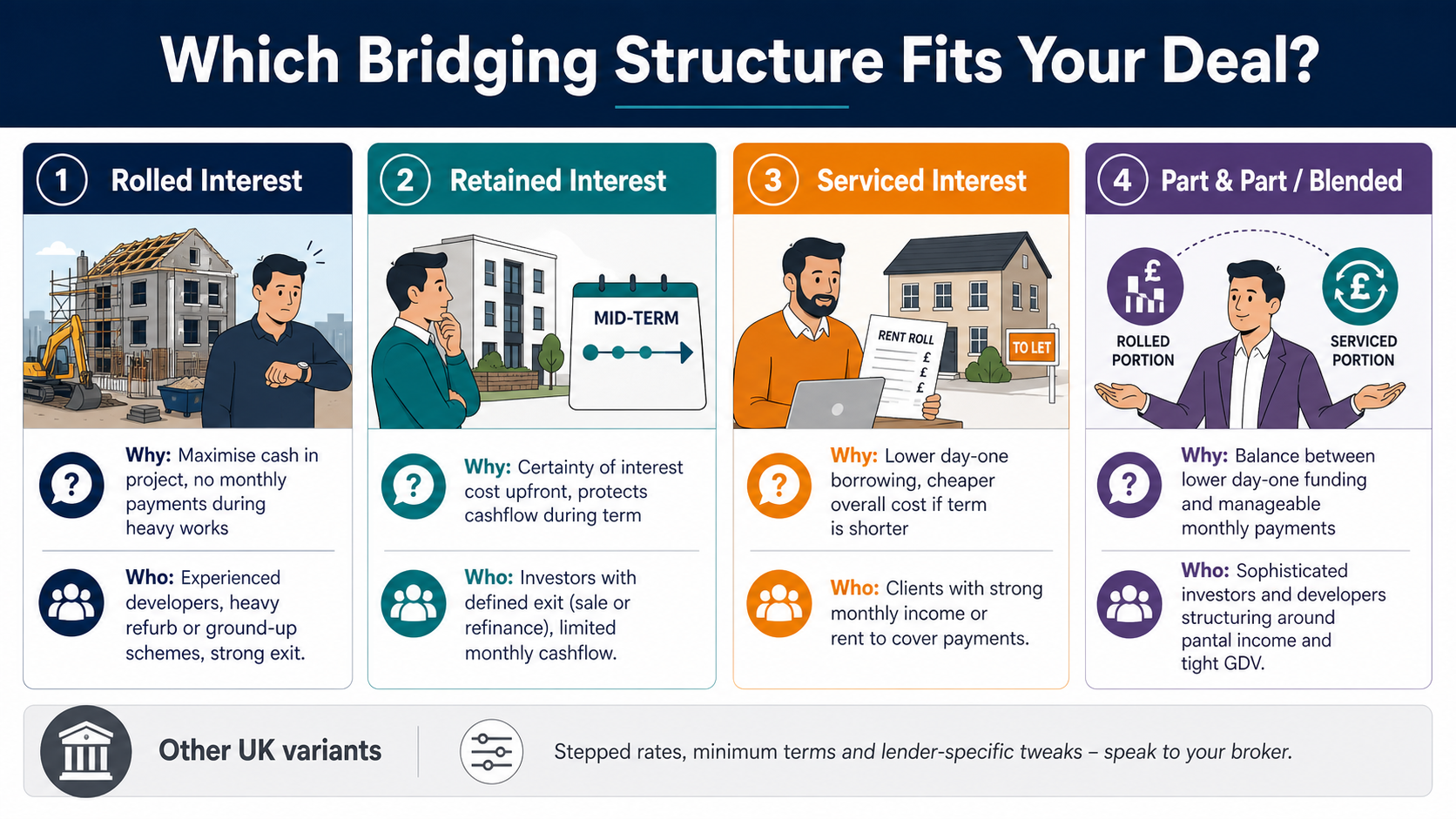
Due diligence findings directly shape the financing structure you need. A contamination risk may require an indemnity before a lender will proceed. A short unexpired lease term changes the debt quantum available. A planning condition affects development finance drawdown mechanics. At James William & Co, we work with UK property investors and developers to structure specialist property finance that reflects the specific risk profile of each acquisition, whether that is a bridging facility, a commercial mortgage, mezzanine debt, or a multi-layered development finance stack. If your due diligence is surfacing complexity, speak to us before you finalise your funding approach.
FAQ
What is a real estate due diligence checklist?
A real estate due diligence checklist is a structured set of investigations covering financial, physical, legal, environmental, financing, and insurance workstreams, each assigned to a named owner with a deadline, designed to verify all material facts about a property before acquisition.
How long does the due diligence period last?
Due diligence periods typically run 30 to 60 days for commercial acquisitions, with complex assets requiring 90 days or more. The period should be negotiated before heads of terms are signed.
What is a Phase I Environmental Site Assessment?
A Phase I ESA is a report conducted by a qualified environmental professional that identifies recognised environmental conditions on a site. Compliance with ASTM E1527-21 is required to satisfy All Appropriate Inquiries and protect buyers from inherited environmental liability.
Which financial documents are most critical in property due diligence?
Trailing 12-month operating statements, unit-by-unit rent rolls, three to five years of historical financials, and property tax records are the core documents. These allow buyers to verify actual net operating income against the seller’s proforma.
When should financing due diligence begin?
Financing due diligence must begin on day one of the diligence period and run concurrently with all other workstreams. Lender-imposed requirements for environmental and title reports affect which consultants you instruct, so lender engagement cannot wait until physical and legal reviews are complete.
Recommended
Related Topics
Speak to a specialist
Discuss your finance with James directly
Whole-of-market specialist finance — bridging, development, commercial and residential. No call centres, no obligation. James reviews every enquiry personally.
New to specialist finance? How unbiased broker advice works · Deals we have completed
Explore Related Finance