
Published · Updated
why use specialist capital advisorsWhy Use Specialist Capital Advisors in UK Property
By James Dawes, CeMAP, Founder, James William & Co Capital

Every major property deal in the United Kingdom presents challenges that demand more than a one-size-fits-all approach. Whether you are acquiring a multi-million-pound scheme in London or seeking funding for phased development, the complexity of today’s markets requires more than standard mortgage broking. Multi-layered expertise from specialist capital advisors delivers tailored funding, rapid execution, and access to non-traditional lenders, ensuring capital is structured with your precise objectives in mind.
Table of Contents
- What Specialist Capital Advisors Do
- Types of Property Finance Solutions Offered
- How Advisors Structure Complex Transactions
- Key Benefits For Developers And Investors
- Risks Of Not Using A Specialist Advisor
Key Takeaways
| Point | Details |
|---|---|
| Specialist Capital Advisors Enhance Efficiency | They significantly reduce capital raising timelines by 40-60% compared to traditional methods, providing quicker access to funding. |
| Tailored Financial Solutions | They offer bespoke funding structures that match the specific needs of complex property transactions, optimising financial outcomes. |
| Strategic Market Insight | Their deep market knowledge enables informed decision-making, ensuring developers access optimal financing and manage risks effectively. |
| Ongoing Portfolio Management | Specialist advisors provide continual support, adjusting strategies as market conditions evolve to maximise returns and minimise costs. |
What Specialist Capital Advisors Do
Specialist capital advisors work as financial architects for property developers and institutional investors navigating the UK’s complex real estate market. Rather than offering generic financial advice, they operate as strategic partners who understand the nuances of property transactions at scale. Their role extends far beyond simply connecting borrowers with lenders. These advisors combine deep market knowledge with access to non-traditional funding sources, creating tailored capital solutions that standard high street banks simply cannot deliver.
At their core, specialist capital advisors provide multi-layered expertise across several critical areas. First, they structure complex funding arrangements by assembling appropriate debt instruments, whether that means combining senior mortgages with mezzanine debt, bridging finance for time-critical acquisitions, or development finance with bespoke covenants. They offer strategic market entry advice and capital raising support, helping you understand where value exists and how to access it efficiently. When you’re evaluating a £50 million mixed-use development in London, a specialist advisor knows which lenders understand volumetric risk, which offshore vehicles optimise tax efficiency, and which covenant structures protect your equity whilst maintaining lender confidence. They also manage negotiations directly with private credit funds, institutional lenders, and family offices that most property professionals never access through traditional channels. Beyond arranging initial funding, these advisors provide ongoing portfolio strategy guidance, helping you refinance at optimal timing, restructure debt stacks when market conditions shift, or layer additional capital for rapid portfolio expansion.
What distinguishes specialist capital advisors is their capacity to execute at speed under pressure. You’re acquiring an off-market development opportunity with a 2-week completion deadline. Your traditional mortgage broker needs weeks for underwriting. A specialist advisor already maintains relationships with rapid-decision lenders who can commit capital within days, having already stress-tested your proposal against their risk appetite. They navigate covenant complexity that would stall conventional lending. They structure joint venture arrangements and partner selection that align incentives across multiple equity holders. When you need asset finance for plant and equipment in parallel with property funding, or when you’re establishing an SPV with complex offshore tax planning, these advisors coordinate the entire capital stack rather than leaving you to juggle multiple specialists.
Think of specialist capital advisors as your dedicated capital concierge service. Instead of managing relationships with dozens of lenders independently, you have a single point of contact who understands your business intimately, knows your risk profile, and can architect solutions tailored specifically to your needs. They reduce your capital raising timeline by 40-60% compared to direct lender negotiation, whilst securing more competitive terms because they aggregate deal flow and maintain lender relationships at scale. For high-value property transactions where market windows close quickly and capital efficiency directly impacts returns, this specialised intermediation saves money and unlocks opportunities.
Pro tip: When appointing a specialist capital advisor, ask specifically how they structure deals involving your transaction type (development, acquisition, refinance) and request references from lenders they work with regularly, not just borrowers. Advisor quality varies dramatically, and the best ones have standing relationships with multiple lender decision-makers who commit capital based on the advisor’s judgment, not just the application itself.
Types of Property Finance Solutions Offered
Specialist capital advisors don’t operate from a single playbook. Instead, they draw from a sophisticated toolkit of funding instruments, each designed to solve specific challenges across different property transaction types. Understanding which solutions exist and how they work together is crucial when you’re structuring complex deals. A £30 million residential development, a £15 million acquisition, and a £50 million office refinance each require fundamentally different capital approaches. The right advisor recognises these distinctions immediately and assembles the precise funding combination your situation demands.
Development finance stands as the foundational solution for ground-up construction projects. Unlike traditional mortgages, development finance recognises the unique risk profile of building phases, releasing funds as construction milestones are reached rather than upfront. You might secure £100 million in development funding for a phased residential scheme, with tranche releases tied to planning sign-off, foundation completion, and structural frame phases. Lenders price this based on exit strategy, typically expecting either refinancing into standard mortgages upon completion or presales that reduce their exposure. Beyond basic development finance, advisors layer mezzanine debt solutions that sit between your senior debt and equity, allowing you to reduce equity injection whilst maintaining senior lender comfort. Mezzanine debt typically costs 2-4% more than senior debt but preserves your returns on equity and capital for other opportunities. For time-critical acquisitions, bridging finance provides rapid interim funding, often committed within days and used to complete purchases before permanent financing closes. A specialist advisor might structure a bridge with 6-month terms at 0.75-1.2% monthly interest, knowing permanent financing will arrive before the bridge accrues excessive costs.
Commercial mortgages provide the traditional core funding for stabilised properties, office buildings, retail units, and mixed-use schemes. What distinguishes specialist advisors is their ability to access non-traditional commercial mortgage providers beyond the five major banks. Private credit funds, insurance company balance sheets, and specialist lenders often provide more flexible covenant structures, higher loan-to-value ratios on certain asset classes, and faster completion timelines. You might secure a commercial mortgage with interest coverage ratio covenants of 1.2x from a mainstream bank, or 1.1x from a specialist lender willing to price slightly higher for slightly looser terms. Asset finance, another critical component, separates equipment, plant, and machinery funding from property finance, often delivering better pricing when structured separately from real estate. A development scheme with £50 million property funding might also require £8 million in asset finance for cranes, temporary infrastructure, and specialist plant. Rather than forcing this into one package at a blended rate, a specialist advisor sources asset finance independently, potentially saving 40 basis points on both tranches.
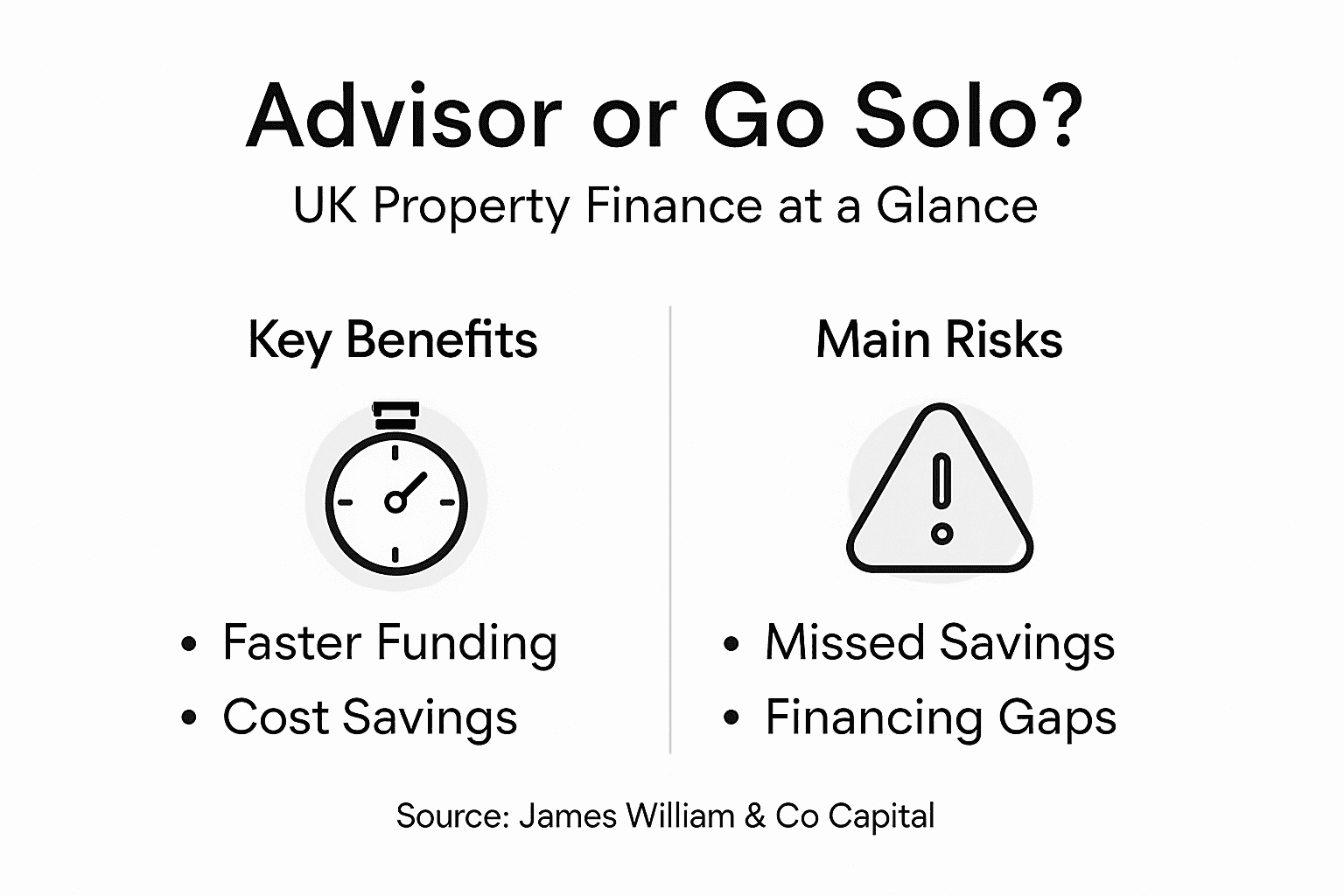
Here’s a summary of common property finance solutions and their primary business impact:
| Financing Solution | Typical Use Case | Key Business Benefit |
|---|---|---|
| Development finance | New-build projects | Funds phased construction |
| Mezzanine debt | Layered capital stack | Reduces equity outlay |
| Bridging finance | Rapid acquisitions | Enables quick completion |
| Commercial mortgage | Stabilised assets | Offers long-term stability |
| Asset finance | Equipment/plant needs | Separates asset funding |
Beyond these core instruments, specialist advisors orchestrate multi-layered structures incorporating joint venture equity, offshore vehicles, and bespoke covenant packages tailored to your specific requirements. You might have a £100 million acquisition structured with £60 million senior debt, £15 million mezzanine debt, £15 million JV equity from an institutional partner, and £10 million of your own equity. Each tranche comes from different sources, each priced according to its risk position, and each governed by specific covenants protecting that lender’s interests without creating conflicts across the stack. This complexity requires genuine expertise. A generalist mortgage broker struggles here. A specialist advisor has already stress-tested similar structures, understands which lenders accept which covenants, and knows which combinations actually work in execution.
Pro tip: Before committing to any specialist advisor, ask them specifically which lenders they work with across each funding type you need and request one recent reference from a deal they structured involving three or more financing layers. The difference between advisors who cobble together a structure and those who genuinely architect integrated solutions becomes immediately visible in their reference calls.
How Advisors Structure Complex Transactions
Structuring a complex property transaction feels like assembling a three-dimensional puzzle where every piece must fit perfectly and support all the others simultaneously. One wrong angle and the entire structure collapses. Specialist capital advisors approach this challenge methodically, starting with your project’s fundamental characteristics and working outward to engineer a capital stack that optimises returns, manages risk, and aligns with your exit strategy. This isn’t theoretical work. It’s applied mathematics combined with market knowledge and lender psychology, all executed under tight timelines with real money at stake.
The structuring process begins with rigorous analysis of your project’s cash flow profile and risk characteristics. An advisor examines your development timeline, construction costs, presale velocity, long-term income projections, and refinancing assumptions. They evaluate market conditions, lender appetite, and interest rate forecasts. They stress-test outcomes against downside scenarios such as construction delays, slower sales absorption, or interest rate rises. Based on this analysis, they determine optimal leverage levels across each funding layer. Engineering complex capital stacks combining senior debt, mezzanine finance, and preferred equity requires understanding precisely how each tranche behaves under different conditions. Senior debt prioritises safety, accepting lower returns. Mezzanine debt accepts more risk for higher returns. Preferred equity sits between mezzanine and common equity. An advisor structures each layer to appeal to specific investor types whilst ensuring the overall stack remains solvent even if market assumptions shift materially.
Term sheet negotiation represents another critical dimension of transaction structuring. Your advisor doesn’t simply present lender requirements to you and accept them passively. Instead, they actively negotiate covenant packages tailored to your specific situation. A typical commercial mortgage might include interest coverage ratio requirements of 1.35x, debt service coverage ratios of 1.25x, and restrictions on capital distributions. But your project’s cash flow profile might suggest that 1.2x interest coverage adequately protects the lender whilst preserving your flexibility to manage distributions. An experienced advisor argues this point with lender credit teams, supporting the case with stress-tested financial models and comparable transaction precedent. They negotiate drawdown conditions for development finance, determining whether tranches release automatically based on completion certificates or require lender site inspections. They structure prepayment terms to clarify whether you can refinance early without penalties once market conditions improve. They establish default triggers carefully, distinguishing between technical defaults that create negotiation opportunities and hard defaults that trigger acceleration. All of this negotiation happens before you commit capital, preventing expensive renegotiations mid-project.
Once the overall capital stack takes shape, advisors manage the lender and investor sourcing process simultaneously. Rather than securing senior debt first, then hunting for mezzanine investors, then finding equity partners, experienced advisors orchestrate a parallel process where multiple tranches close contemporaneously. This requires identifying compatible lenders and investors upfront, ensuring their return requirements stack together mathematically, and coordinating documentation so each tranche closes together. For a £200 million mixed-use development, this might mean identifying a primary senior lender willing to provide £120 million, a specialist mezzanine fund prepared to commit £40 million, and an institutional equity partner ready to invest £40 million. Your advisor manages relationships with all three simultaneously, aligning their diligence timelines, negotiating compatible covenants, and orchestrating documentation that protects each layer without creating conflicts.
What distinguishes exceptional advisors is their ongoing strategic support throughout the transaction lifecycle. Market conditions shift. Construction costs rise. Interest rates change. Presales underperform. A good advisor anticipated some of these scenarios during initial structuring but recognises that rigidity destroys value. Instead, they actively monitor your project’s performance against assumptions, flagging when refinancing opportunities emerge before competitors identify them, recommending when to restructure debt layers to capture lower rates, and advising on exit timing that maximises returns rather than simply hitting a predetermined date.
Pro tip: During your initial discussions with potential advisors, present them with a moderately complex transaction scenario and ask specifically how they would structure it. Strong advisors explain their reasoning systematically: project analysis, risk assessment, optimal leverage, lender sourcing strategy, and covenant negotiation approach. Weak advisors offer generic commentary or ask you questions without demonstrating their analytical framework. The quality of their thinking becomes immediately apparent in how they approach unfamiliar problems.
Key Benefits for Developers and Investors
Specialist capital advisors deliver tangible financial benefits that ripple through your entire portfolio. These aren’t theoretical advantages touted by marketing departments. They’re measurable, quantifiable outcomes that directly impact your bottom line. For property developers and institutional investors managing high-value transactions, the difference between generic mortgage broking and specialist capital advisory manifests in basis points saved, months compressed from timelines, and millions preserved in equity that might otherwise dissipate through inefficient capital structures.

The first benefit is accelerated capital access. You’ve identified a compelling off-market acquisition. The seller wants completion in 3 weeks. Traditional lenders need 8 weeks minimum for underwriting and approval. A specialist advisor maintains pre-existing relationships with rapid-decision lenders who can commit capital in 5 business days because they trust the advisor’s deal assessment. This speed differential isn’t just convenience. It’s competitive advantage. You close the deal whilst competitors are still gathering documentation. For a £50 million acquisition where market value increases 2 percent monthly, closing 3 weeks faster captures an additional £250,000 in appreciation. Across a portfolio making 12 acquisitions annually, this speed advantage compounds to £3 million in additional value. Market-leading investment banking capabilities combined with real estate expertise enable advisors to move quickly because they’ve pre-assessed lender appetite, anticipated documentation requirements, and maintained channels allowing rapid credit decisions rather than bureaucratic delays.
The second benefit is cost optimisation across your capital stack. A poorly structured deal might cost you 50 basis points more than necessary through inefficient layering of debt instruments. Across a £100 million capital stack, 50 basis points equals £500,000 annually. Over a 5-year holding period, that’s £2.5 million in unnecessary interest expense. A specialist advisor structures that same capital stack optimally, accessing senior debt at 4.5 percent, mezzanine at 7.2 percent, and preferred equity at 12 percent rather than the blended 5.4 percent you might pay if all tranches were undifferentiated. The mathematical precision matters enormously. An advisor also identifies which lenders currently hunger for specific asset types, allowing them to negotiate tighter pricing for senior debt on office buildings or mezzanine debt on residential development. They time refinancing windows, flagging when you should lock rates 6 months early before anticipated interest rate moves. They restructure existing debt when market conditions shift, swapping expensive tranches for cheaper alternatives. This continuous optimisation across an active portfolio generates ongoing basis point savings that accumulate into material wealth preservation.
The third benefit is risk mitigation through sophisticated covenant architecture. Restrictive covenants drain flexibility and destroy value. Too-loose covenants create lender anxiety, resulting in higher pricing and potential enforcement action. A specialist advisor engineers covenant packages that genuinely reflect your project’s risk profile, neither overtightening nor underleveraging. They distinguish between covenants that protect lender interests and those that simply create negotiation leverage. For a development project, an experienced advisor knows that lenders truly care about presale rates and construction cost overruns, but will accept looser cash flow covenants early in the project lifecycle when cash isn’t flowing yet. They build this understanding into term sheets, creating flexibility when you need it whilst protecting lender returns. They establish default provisions that allow technical breaches to be remedied through negotiation rather than triggering immediate acceleration. This covenant sophistication prevents expensive renegotiations mid-project and preserves your optionality when market conditions demand tactical adjustments.
Beyond these direct financial benefits, specialist advisors deliver portfolio-level advantages through integrated structuring and transactional services. Rather than juggling separate mortgage brokers, equity sourcing specialists, and refinancing advisors, you maintain a single point of contact who understands your entire portfolio strategy. They identify cross-portfolio optimisation opportunities that wouldn’t be visible in transaction-by-transaction analysis. They introduce you to institutional partners whose capital needs align with multiple deals across your pipeline. They structure secondary market facilities that provide liquidity for maturing assets. This integrated approach multiplies the value of advisor relationships beyond any individual transaction.
Pro tip: When evaluating specialist advisors, ask for three specific cost quantifications from their recent transactions: basis points saved on comparable debt structures, timeline compression versus conventional financing, and covenant flexibility preserved versus market standards. Advisors who can articulate these savings with precision understand value creation rather than simply executing transactions.
Risks of Not Using a Specialist Advisor
Property transactions without specialist capital guidance create compounding vulnerabilities that damage returns across multiple dimensions. You might believe you’re saving advisory fees by navigating capital structuring independently, but this false economy typically costs far more through missed opportunities, suboptimal financing, and preventable delays. For developers and institutional investors managing multi-million pound portfolios, the absence of expert capital guidance transforms manageable transactions into minefield scenarios where a single misstep cascades into material financial loss.
The first risk is financing misalignment with your project fundamentals. Without specialist analysis, you might pursue financing structures that sound attractive but don’t actually match your project’s cash flow profile and exit timeline. A developer structures a 7-year development loan expecting to refinance into permanent financing in year 3. But market conditions shift. Refinancing becomes impossible. You’re stuck with expensive interim financing through project completion, destroying expected returns. A specialist advisor identifies this mismatch upfront, structuring financing that remains serviceable even if refinancing windows close. They flag when bridge finance terms include excessive extension fees that create hidden costs if completion delays occur. They recognise when lender-imposed loan terms create covenant breaches under realistic stress scenarios. Without expert navigation through appropriate finance products and lending criteria, investors frequently select financing that appears cheaper initially but creates cash flow crises mid-transaction when assumptions prove incorrect.
The second risk is capital inefficiency and cost leakage. You structure a capital stack independently without understanding which lenders currently offer attractive pricing on specific instruments. You might secure senior debt at 5.2 percent from your relationship bank, unaware that three specialist lenders are actively competing to place senior debt at 4.7 percent for similar transactions. You layer mezzanine debt at 8.5 percent when market pricing sits at 7.8 percent. Across a £100 million capital stack, these pricing inefficiencies cost £500,000 annually. Over five years, that’s £2.5 million in unnecessarily expensive capital. You also miss refinancing opportunities because nobody’s actively monitoring your portfolio against shifting market conditions. A rate cut occurs. Interest-bearing debt becomes cheaper. But without specialist guidance, your deal sits unchanged, locked into higher rates whilst competitors refinance at savings. You miss covenant restructuring opportunities when market conditions permit loosening restrictions that were initially tight. The cost leakage is invisible until you compare your actual returns against what a specialist advisor would have achieved through active capital optimisation.
The third risk is covenant inflexibility and execution problems. Without specialist negotiation, you accept lender-proposed covenants that sound reasonable but actually constrain your operational flexibility. You agree to strict cash distribution restrictions that prevent dividend payments even when projects perform well. You accept default triggers that allow technical breaches to spiral into enforcement action rather than providing negotiation opportunities. You commit to prepayment penalties that prevent refinancing even when market conditions dramatically improve. Risks including market timing mistakes, legal pitfalls, and failure to conduct thorough due diligence emerge when investors lack specialist guidance in navigating covenant architecture. When market conditions shift mid-project and you need flexibility, the restrictive covenants become straightjackets preventing rational business decisions. You’re forced into expensive renegotiations or covenant breaches that trigger lender enforcement. A specialist advisor prevents this by engineering covenants during initial negotiations that genuinely reflect your project’s risk profile without unnecessarily constraining your operational choices.
The fourth risk is speed disadvantage in competitive markets. Off-market acquisition opportunities close within weeks. You spend those weeks gathering documentation, approaching traditional lenders, and waiting for bureaucratic approval processes. By the time you’re ready to move, the seller has accepted a competing offer from someone who arranged rapid capital through specialist channels. Across a portfolio making multiple acquisitions annually, this speed disadvantage means missing the best opportunities and instead purchasing second-tier assets that perform worse. You also struggle with portfolio rebalancing. A property decline in value requires immediate refinancing or restructuring to prevent cascade effects across your portfolio. Without specialist relationships enabling rapid capital decisions, you respond slowly whilst the situation deteriorates.
The fifth risk is regulatory and compliance exposure. Property finance involves complex regulatory frameworks around stress testing, leverage restrictions, and capital adequacy requirements that shift with market conditions and regulatory changes. Without specialist guidance, you might structure transactions in ways that inadvertently trigger regulatory scrutiny or compliance requirements you didn’t anticipate. You layer tranches without understanding how they’re regulated differently, creating unexpected compliance obligations. You establish offshore vehicles without proper tax and regulatory structuring, creating liabilities that emerge years later.
This table compares risks faced when not using a specialist capital advisor:
| Risk Type | Typical Impact | Example Scenario |
|---|---|---|
| Financing misalignment | Project cash flow issues | Unsuitable loan duration |
| Capital inefficiency | Higher interest costs | Blended rates above market |
| Covenant inflexibility | Limited operational agility | Harsh default triggers |
| Speed disadvantage | Lost investment opportunities | Missed off-market acquisition |
| Regulatory exposure | Legal and compliance issues | Unexpected compliance breaches |
Pro tip: Before deciding to navigate capital structuring independently, conduct a hypothetical analysis: estimate what a specialist advisor’s fees would cost versus your best-case scenario for financing optimisation (basis point savings plus timeline compression benefits). In almost every case, specialist fees represent less than 20 percent of the financial value they generate, making the return on advisory investment compelling compared to attempting complex transactions solo.
Unlock Seamless Capital Solutions with Specialist Advisors
Navigating the complexities of UK property finance demands more than conventional guidance. The article highlights common challenges such as securing multi-layered debt stacks, negotiating bespoke covenant packages and meeting tight deadlines for high-value acquisitions or developments. If you are grappling with lengthy financing timelines, restrictive covenants or suboptimal capital structures that erode your returns, you need a partner who offers tailored, rapid solutions.
At James William & Co Capital, we embody the “capital concierge” approach described, delivering expert debt structuring, development finance, mezzanine debt and bridging finance backed by deep relationships with family offices and specialist lenders. With a proven track record of structuring sophisticated financing arrangements for developers, investors and high-net-worth clients, we remove delays and cost inefficiencies. Experience how specialist mortgage brokers can enhance your strategy by aligning your deal structures with market realities and lender appetite.
Ready to expedite your next transaction and safeguard your returns?
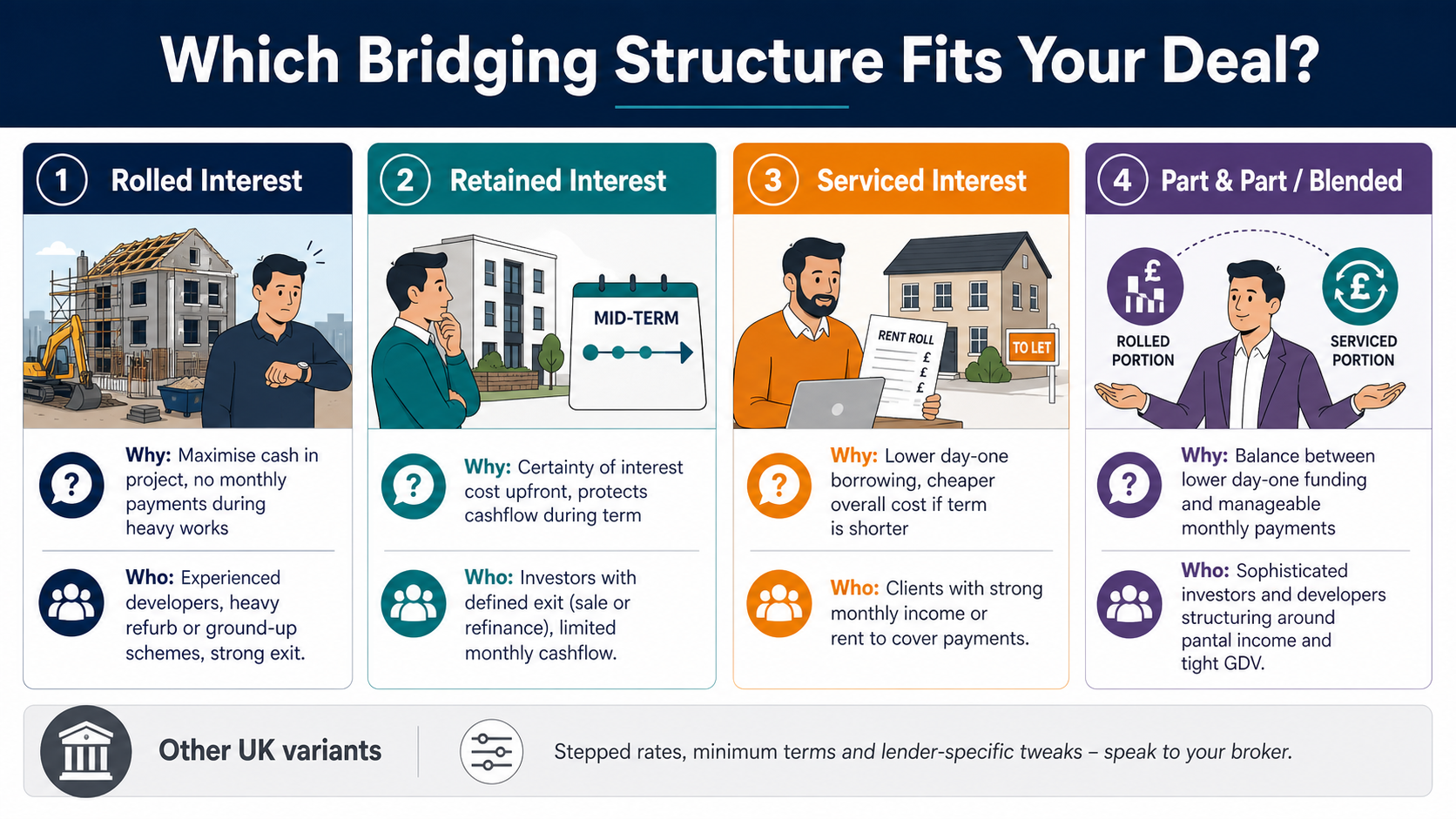
Explore how partnering with James William & Co Capital delivers bespoke, flexible funding and expert negotiation support. Visit James William & Co Capital today to gain your decisive advantage in UK property finance. Discover more about our bridging finance and mezzanine debt solutions that can optimise your capital stack for success.
Frequently Asked Questions
What are the main benefits of using specialist capital advisors in property transactions?
Specialist capital advisors offer accelerated capital access, cost optimisation across capital stacks, and effective risk mitigation through sophisticated covenants. Their expertise can lead to significant savings and competitive advantages in high-value property transactions.
How do specialist capital advisors structure complex property transactions?
They analyse project fundamentals, engineer a tailored capital stack that combines different types of financing, and negotiate bespoke covenant packages. This ensures that each financing layer aligns with the project’s cash flow and risk profile, optimising returns and managing risks.
What types of funding solutions can specialist capital advisors provide?
They offer a variety of funding solutions, including development finance, mezzanine debt, bridging finance, commercial mortgages, and asset finance. Each solution addresses specific needs depending on the type of property transaction.
Why is it risky to navigate capital structuring without a specialist advisor?
Without specialist guidance, there’s a risk of financing misalignment, increased capital inefficiency and costs, limited operational flexibility due to strict covenants, and slower responses to market opportunities. These risks can lead to significant financial losses and hinder overall project success.
Recommended
Related Topics
Speak to a specialist
Discuss your finance with James directly
Whole-of-market specialist finance — bridging, development, commercial and residential. No call centres, no obligation. James reviews every enquiry personally.
New to specialist finance? How unbiased broker advice works · Deals we have completed
Explore Related Finance