
Published · Updated
why private equity in propertyWhy Private Equity in Property Matters for UK Investors
By James Dawes, CeMAP, Founder, James William & Co Capital

Securing significant property portfolios in the United Kingdom demands more than traditional investment strategies. High-net-worth investors and property developers now seek private equity solutions, valuing the direct access to non-publicly traded assets and bespoke financing arrangements that these funds provide. With an active approach to asset management and sophisticated deal structuring, private equity enables investors to achieve strategic growth, enhanced returns, and tailored risk management in today’s competitive property market.
Table of Contents
- What Is Private Equity in Property?
- UK Market Drivers for Private Equity Investment
- How Private Equity Structures Real Estate Deals
- Investor Benefits and Practical Applications
- Risks, Costs, and Regulatory Considerations
- Private Equity Versus Alternative Funding Models
Key Takeaways
| Point | Details |
|---|---|
| Private Equity’s Focus | Private equity in property is centred on generating substantial value through active management and strategic transformation of non-publicly traded assets. |
| UK Market Opportunities | The UK presents a dynamic landscape for private equity investments, driven by strong legal frameworks and promising sectors like life sciences and green energy. |
| Investment Structures | Private equity deals typically involve complex financial arrangements such as Special Purpose Vehicles (SPVs) to compartmentalise risk and optimise returns. |
| Risk Management | Investors must navigate risks including high financial leverage and regulatory compliance challenges, necessitating thorough due diligence and expert advice. |
What Is Private Equity in Property?
Private equity represents a sophisticated investment strategy where institutional and high-net-worth investors allocate capital into non-publicly traded property assets with strategic growth objectives. Unlike traditional property investment models, private equity focuses on creating substantial value through active management and strategic transformation.
At its core, private equity in property involves acquiring equity stakes in private real estate ventures with the intention of generating significant returns. The investment approach typically encompasses several key characteristics:
- Direct acquisition of entire property portfolios or substantial ownership stakes
- Active operational management to enhance asset value
- Targeting substantial returns through strategic improvements
- Utilising sophisticated financing structures
- Creating value beyond simple property appreciation
The evolution of private equity has been remarkable. Originally emerging in the late 1960s, these investment vehicles have transformed from being perceived as mere asset strippers to becoming sophisticated capital deployment mechanisms. Modern private equity firms now specialise in complex property transactions, working with institutional investors like pension funds to create strategic investment opportunities.
Private equity property investments differentiate themselves through a hands-on approach. Where traditional property investments might involve passive ownership, private equity professionals actively work to:
- Identify undervalued or underperforming property assets
- Implement strategic operational improvements
- Restructure financing arrangements
- Develop comprehensive value-creation strategies
- Prepare assets for eventual profitable exit
Pro tip: Always conduct thorough due diligence and understand the specific investment strategy before committing capital to a private equity property fund.
UK Market Drivers for Private Equity Investment
Private equity investment in the United Kingdom represents a dynamic ecosystem driven by multiple sophisticated economic and strategic factors. The UK’s unique market positioning offers compelling opportunities for investors seeking robust and innovative property investment channels, particularly in sectors demonstrating significant growth potential.
Business investment analysis reveals that the UK market is characterised by concentrated investment patterns, where a select group of large firms—often termed ‘super-investors’—drive substantial capital expenditure. These strategic investors bring critical capabilities that transform property investment landscapes.
Key market drivers for private equity investment in the UK encompass several crucial dimensions:
- Strong legal and commercial frameworks
- World-class research and innovation infrastructure
- Robust and diverse workforce capabilities
- Global connectivity and international market access
- Supportive governmental investment policies
The UK’s modern industrial strategy actively creates fertile ground for private equity investments by emphasising strategic sector development. Particularly promising domains include:
- Life sciences and biotechnology
- Digital technologies and artificial intelligence
- Green energy and sustainable infrastructure
- Advanced manufacturing
- Financial and professional services
Institutional investors are increasingly recognising the UK’s potential as a premier destination for strategic property investments. The combination of transparent regulatory environments, sophisticated financial markets, and a talent-rich ecosystem makes the UK an attractive proposition for private equity deployment.
Pro tip: Conduct granular market research and engage with local experts to identify niche investment opportunities within emerging UK property sectors.
How Private Equity Structures Real Estate Deals
Private equity real estate deals represent complex financial arrangements that require sophisticated structuring strategies to maximise investment potential and manage inherent risks. These intricate transactions go far beyond simple property acquisitions, involving multilayered financial engineering and strategic planning.

Private equity firms create specialised investment structures through carefully designed mechanisms that isolate assets, manage liabilities, and optimise financial performance. The primary vehicle for these investments is typically a Special Purpose Vehicle (SPV), which allows investors to compartmentalise risk and provide clear legal and financial boundaries.
The typical deal structure involves several critical components:
- Creation of limited partnership agreements
- Establishment of special purpose vehicles (SPVs)
- Layered financing with equity and debt components
- Risk management through legal and financial compartmentalisation
- Strategic asset allocation across different property sectors
Institutional investors use portfolio theory to allocate capital across diverse property markets, implementing sophisticated financing strategies that balance risk and potential returns. These strategies typically involve:
- Identifying target property sectors
- Assessing market dynamics and growth potential
- Structuring multi-layered financial arrangements
- Implementing robust risk management protocols
- Planning strategic exit strategies
The financing mechanisms in private equity real estate deals are particularly nuanced. Investors leverage a combination of equity capital from private equity funds and debt financing from institutional lenders, creating complex financial structures that optimise tax efficiency and align investor interests throughout the investment lifecycle.
Pro tip: Engage specialised legal and financial advisors to design bespoke deal structures that match your specific investment objectives and risk tolerance.
Investor Benefits and Practical Applications
Private equity property investment offers sophisticated investors a transformative approach to wealth generation, providing far more than traditional real estate investment models. These strategic investment vehicles create comprehensive opportunities for capital appreciation, risk mitigation, and portfolio diversification beyond conventional investment strategies.
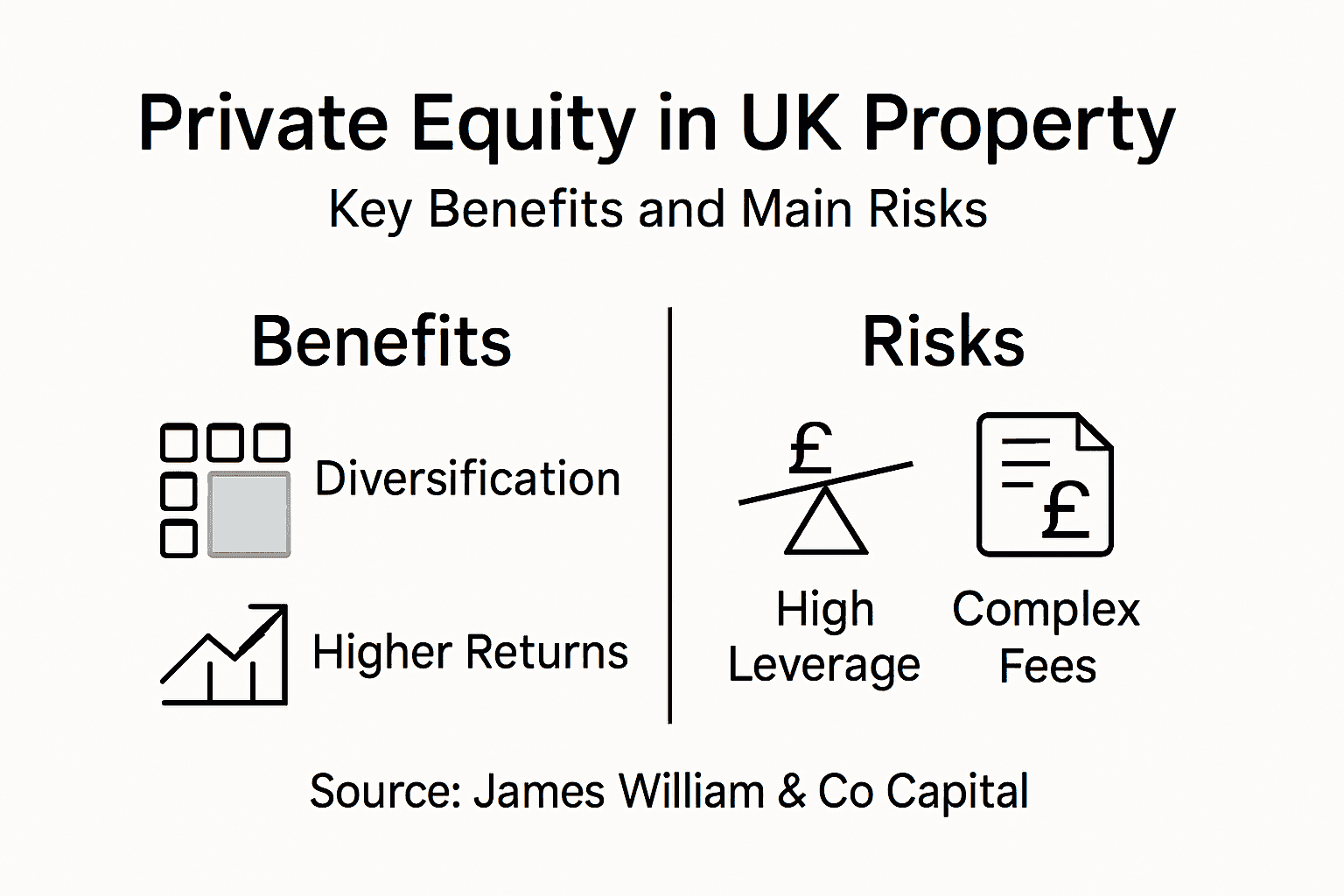
Property Authorised Investment Funds present investors with tax-efficient frameworks that enable sophisticated exposure to property markets through carefully structured investment vehicles. These funds provide flexible mechanisms for income distribution and strategic asset management.
Key investor benefits encompass multiple strategic dimensions:
- Access to institutional-grade real estate assets
- Potential for higher risk-adjusted returns
- Enhanced portfolio diversification
- Active management and value creation strategies
- Inflation protection mechanisms
- Reduced individual asset management burden
Private equity investments support entrepreneurship through strategic capital deployment, offering investors unique advantages:
- Unlocking growth potential in property ventures
- Providing strategic operational guidance
- Improving operational efficiencies
- Supporting innovation within portfolio companies
- Creating scalable investment opportunities
Institutional investors particularly appreciate the sophisticated risk management approaches inherent in private equity property investments. These strategies involve comprehensive due diligence, active portfolio management, and dynamic value creation techniques that transcend traditional passive investment models.
Pro tip: Conduct thorough due diligence and seek professional advice to align private equity property investments with your specific financial objectives and risk tolerance.
Risks, Costs, and Regulatory Considerations
Private equity property investments involve intricate risk management strategies that demand sophisticated understanding of financial complexities and regulatory landscapes. Sophisticated investors must navigate a multifaceted terrain of potential challenges, balancing potential returns against nuanced operational and financial risks.
Private equity leveraged buyouts frequently involve complex debt structures managed through special purpose vehicles designed to isolate and mitigate potential liabilities. These sophisticated financial mechanisms introduce both strategic advantages and inherent systemic risks that require careful navigation.
Key risk considerations for investors include:
- High levels of potential financial leverage
- Complex debt management requirements
- Potential liquidity constraints
- Operational and market volatility
- Regulatory compliance challenges
- Performance variability across investment portfolios
UK financial regulations increasingly emphasise operational resilience, requiring private equity firms to demonstrate robust governance and transparent risk management practices. These regulatory frameworks aim to:
- Ensure systematic risk mitigation
- Protect investor interests
- Maintain financial sector stability
- Promote transparent investment practices
- Manage critical third-party relationships
Investors must remain vigilant about potential cost structures, which typically involve management fees, performance-related charges, and complex transaction expenses. These costs can significantly impact overall investment returns and require meticulous analysis and negotiation.
Below is a summary of key costs and risk factors in private equity property investments:
| Aspect | Description | Impact on Investors |
|---|---|---|
| Management Fees | Ongoing charges by the fund manager | Reduce net returns |
| Performance Fees | Charged on profitable exits | Can significantly cut gains |
| Leverage Risk | Use of debt to enhance returns | Increases potential losses |
| Liquidity Risk | Difficulty in quickly exiting investment | May trap capital for years |
| Regulatory Change | Shifting UK/EU compliance standards | Might disrupt deal mechanics |
Pro tip: Engage specialised legal and financial advisors to conduct comprehensive due diligence and develop a nuanced understanding of potential risks before committing significant capital.
Private Equity Versus Alternative Funding Models
Private equity represents a sophisticated investment approach that fundamentally differs from traditional funding mechanisms. While alternative financing models offer various strategic options, private equity distinguishes itself through deep operational involvement and strategic value creation beyond simple capital deployment.
Alternative funding models present diverse investment strategies ranging from venture capital to crowdfunding, each with unique characteristics and risk profiles. Private equity stands apart by focusing on established assets and businesses, providing comprehensive strategic guidance and active management rarely found in other investment vehicles.
Here’s a concise comparison of private equity and alternative property funding models in the UK:
| Criteria | Private Equity | Crowdfunding Platforms | Rent-to-Buy Schemes |
|---|---|---|---|
| Typical Investor Profile | Institutional/wealthy | Retail/general public | Individual buyers |
| Investment Horizon | 5-10 years | Short to medium term | Medium to long term |
| Management Style | Active, hands-on | Passive, collective | Limited, tenant-led |
| Return Potential | High, risk-adjusted | Moderate, variable | Gradual equity build-up |
| Complexity | High (legal/structural) | Low to moderate | Low to moderate |
Key distinctions between private equity and alternative funding models include:
- Longer investment horizons
- More hands-on management approach
- Higher potential returns
- Complex governance structures
- Strategic operational involvement
- Advanced value creation techniques
UK capital funding guides demonstrate the complementary nature of different funding approaches, highlighting how various models serve distinct market segments and project requirements. Alternative funding mechanisms such as:
- Shared ownership schemes
- Rent-to-buy programmes
- Specialist housing finance
- Government grant schemes
- Crowdfunding platforms
Provide targeted solutions that can work alongside or complement private equity investments. These models offer flexibility and accessibility that might suit different investor profiles and project characteristics.
Pro tip: Evaluate multiple funding models comprehensively, understanding that each approach offers unique advantages and potential limitations for your specific investment objectives.
Navigate Complex Private Equity Property Deals with Expert Funding Solutions
UK investors face unique challenges when engaging with private equity property investments. The article highlights the demanding nature of structuring multilayered financing, managing risk through special purpose vehicles, and securing sophisticated capital for high-value acquisitions and developments. Many investors seek tailored strategies to accelerate deal execution while maximising value creation and mitigating risks related to leverage and regulatory compliance.
At James William & Co Capital, we understand these pain points intimately. Our expertise lies in delivering bespoke financing solutions including bridging and development finance, mezzanine debt, and JV equity that align with complex private equity deal structures. Working with family offices, private credit funds, and specialist lenders, we act as your strategic debt structuring partner, providing clear guidance and rapid execution even under intense time pressures. Discover how our “capital concierge” approach simplifies your property funding journey at our website.
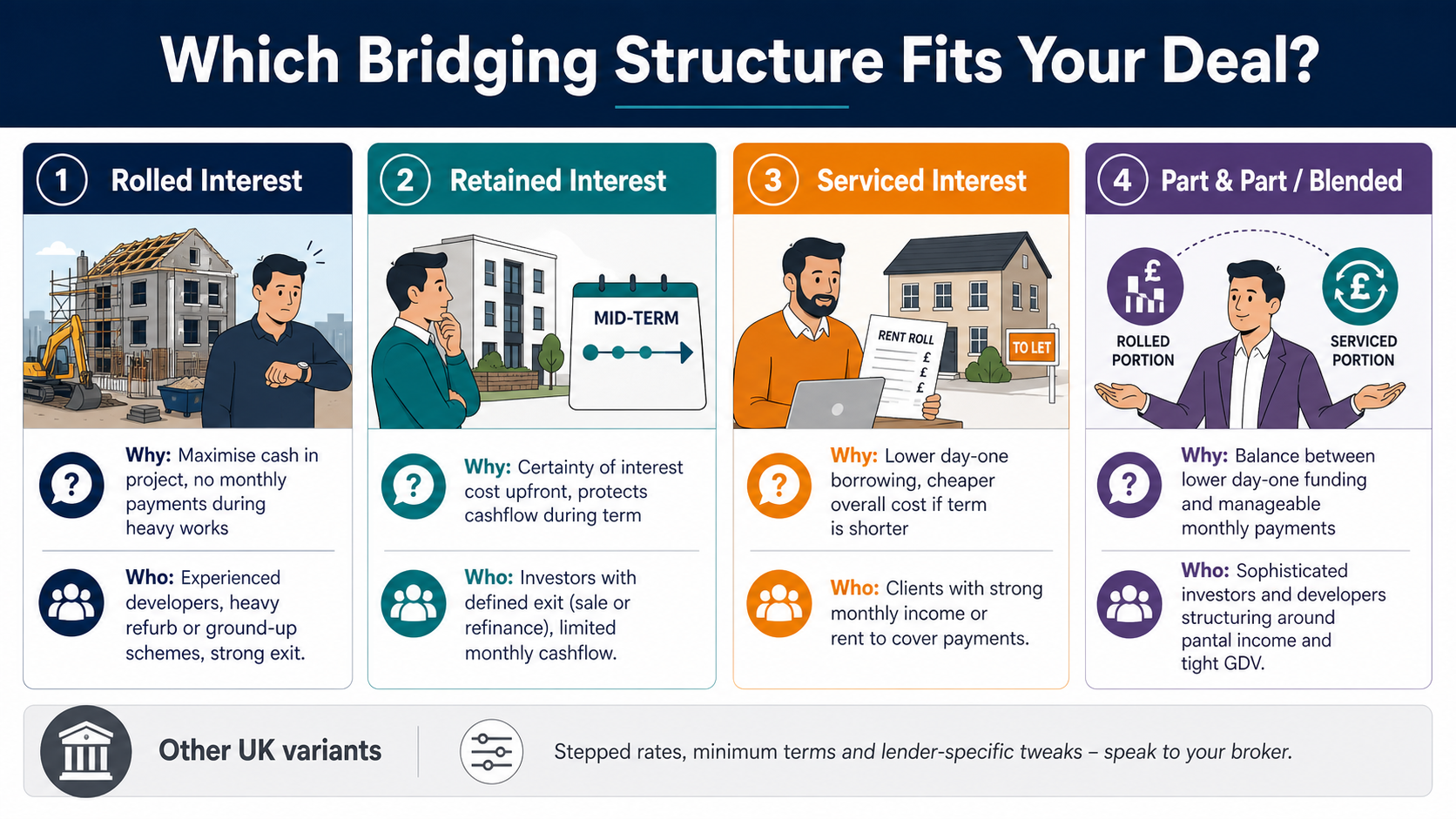
Seize the advantage by partnering with specialists who know the intricacies of UK private equity property investment. Whether you are pursuing large-scale acquisitions, ground-up developments, or complex refinances, James William & Co Capital delivers tailored, multi-layered debt structures and personalised service that help turn opportunity into success. Explore how our expertise can unlock your capital’s full potential today by visiting https://jwcapital.co.uk.
Frequently Asked Questions
What is private equity in property and how does it work?
Private equity in property involves investing in non-publicly traded real estate assets with the aim of generating significant returns. Investors acquire equity stakes or entire property portfolios, actively manage them to enhance value, and implement strategic improvements.
What are the key benefits of private equity investments in property for UK investors?
Key benefits include access to institutional-grade real estate, potential for higher risk-adjusted returns, enhanced portfolio diversification, and active management strategies that create value beyond traditional property appreciation.
What risks should investors be aware of when considering private equity in property?
Investors should consider risks such as high levels of financial leverage, complex debt management requirements, potential liquidity constraints, operational and market volatility, and regulatory compliance challenges that can impact performance.
How do private equity structures facilitate real estate deals?
Private equity firms use specialised structures, such as Special Purpose Vehicles (SPVs), to compartmentalise risk and optimise financial performance. Deal structures involve limited partnership agreements, layered financing, and strategic asset allocation across diverse property sectors.
Recommended
- James William & Co Capital | Specialist Property Finance
- James William & Co Capital | Specialist Property Finance
- James William & Co Capital | Specialist Property Finance
- James William & Co Capital | Specialist Property Finance
- Why Invest in Residential Property: Building Wealth and Security | Bold Street AI
Related Topics
Speak to a specialist
Discuss your finance with James directly
Whole-of-market specialist finance — bridging, development, commercial and residential. No call centres, no obligation. James reviews every enquiry personally.
New to specialist finance? How unbiased broker advice works · Deals we have completed
Explore Related Finance