
Published · Updated
epc requirements mortgages£10,000 cap and 2030 EPC C rule: what England's mortgage lenders check
By James Dawes, CeMAP, Founder, James William & Co Capital

Yes, EPC ratings are now an input lenders use, and a low band can limit how much you borrow or raise your costs. The confirmed 1 October 2030 EPC C deadline and its £10,000 cost cap are already shaping lending decisions today. If you’re buying, letting or remortgaging, check the EPC, price the improvement works, and speak to a broker before you commit.
TL;DR:
- An EPC rating below C can restrict borrowing limits and increase costs, especially as the 2030 EPC C deadline approaches with a £10,000 cost cap for improvements.
- Lenders now automatically incorporate EPC data into affordability assessments, often favoring properties with higher energy efficiency to offer better rates.
- Outdated or missing EPCs may delay mortgage approvals or lead to conservative loan offers, making current certificates essential before applying.
- Landlords must prepare for a mandatory EPC C standard by 2030, considering the cost cap and prioritizing sequencing upgrades across their portfolios.
- Buyers and investors should verify and update EPCs early in the process to avoid delays, gather exemption evidence, and explore alternative funding options like bridging or development finance.
Table of Contents
- What an EPC is and when it matters for mortgages and remortgages
- Current law for landlords and the confirmed 2030 EPC C policy
- How lenders use EPC ratings in underwriting, affordability and pricing
- Practical implications for buyers, landlords and investors
- What to do if a property has no or a low EPC
- How brokers should prepare clients for EPC-driven lending changes
- How James William & Co Capital can help with EPC-constrained deals
- FAQ
- Sources
What an EPC is and when it matters for mortgages and remortgages
An Energy Performance Certificate rates a property from A (most efficient) to G (least efficient), based on the fabric, heating system and estimated running costs of the home. It is a legal requirement when a property is marketed for sale or let, and most lenders now ask for a valid EPC, or at least check one exists, before they finalise a mortgage or remortgage offer.
An EPC lasts ten years, and a surprising number in circulation are expired, incomplete or simply missing from the register. That gap matters because:
- Lenders increasingly pull EPC data automatically into their underwriting systems, and a missing or outdated certificate can stall an application; for practical guidance on second-charge loans to fund retrofit, see Second charge mortgage affordability: what UK lenders check.
- A property recorded as “no rating” may be treated more cautiously than one with a confirmed, current band.
- Older EPCs can understate recent improvements, which means a landlord who has upgraded a property might still be assessed on stale data.
Ordering a new EPC, or confirming the existing one is current, is one of the simplest things you can do before approaching a lender.
Current law for landlords and the confirmed 2030 EPC C policy
The existing baseline, known as MEES, already bans letting most properties rated F or G in England and Wales unless a valid exemption is registered. Exemptions, logged on the PRS Exemptions Register, cover situations such as all-funded measures being installed with no further cost-effective options, or a third-party consent being refused.
The government’s January 2026 response confirmed a bigger change is coming:
- A single compliance date of 1 October 2030 for all private rented tenancies, replacing the previous staggered timetable.
- A dual-metric EPC C requirement, meaning properties must meet both a headline rating and a fabric-efficiency measure.
- High-cost exemptions require three installer quotes and remain valid for five years, under existing exemption guidance.
The government has set a maximum cost cap of £10,000 for required energy efficiency improvements needed to meet the 2030 standard, which caps the financial exposure landlords face on any single property, according to the confirmed government response. For a portfolio of older stock, that figure multiplies quickly, which is why sequencing works across a portfolio, rather than tackling one property at a time, tends to be the more affordable route.
How lenders use EPC ratings in underwriting, affordability and pricing
Lenders no longer treat the EPC as paperwork to file away. Much now build it into the affordability calculation itself, on the logic that a poorly insulated property costs more to run, leaving less disposable income to service a mortgage.
- A low EPC band can reduce the maximum loan a lender is willing to offer, because the model assumes higher ongoing energy costs.
- A strong EPC band can unlock preferential pricing on green mortgage products, sometimes with cashback or a slightly lower rate.
- Some lenders apply negative filters that limit or exclude lending against F and G rated homes altogether.
Bank of England working papers indicate that energy efficiency has become a factor in mortgage pricing, with observed green discounts that can reach up to around 15 basis points in recent years, according to research on green mortgage pricing. Separate market analysis from Elmhurst Energy confirms a growing number of UK lenders are formally incorporating EPC data into affordability assessments, rather than treating it as background information.
There’s a regulatory push behind this too. Lenders report loan-level collateral data to the Bank of England, including current EPC ratings, which creates an internal incentive to understand and manage exposure to lower-rated stock across a mortgage book.
Practical implications for buyers, landlords and investors
The rules play out differently depending on what you’re trying to do.
- Buyers should request the EPC before exchange, factor any likely upgrade costs into the offer, and compare green mortgage products if the property already sits at band C or above.
- Landlords and investors need to weigh sequencing upgrades against selling now, and should keep exemption evidence, including the three required installer quotes, on file in case of a lender or compliance check.
- Remortgaging borrowers should check how their current lender records the property. A “no rating” or “not determined” entry can trigger a request for a fresh EPC mid-application, adding delay and cost at an inconvenient point in the process.
Pro Tip: Order a new EPC assessment as soon as you start planning a refinance, not after a lender asks for one, since a fresh certificate can take several weeks to arrange during busy periods.
What to do if a property has no or a low EPC
Start by confirming the certificate’s status on the national register, since a surprising number of landlords assume a rating exists when it has in fact lapsed. From there, the order of operations matters.
- Obtain three installer quotes for the relevant improvement works, both to price the job and to build exemption evidence if the cost looks disproportionate.
- Run the numbers against the £10,000 cap to see whether the works are self-funding within that limit or need external finance.
- Decide whether improving, selling or holding the property makes more financial sense given the 2030 deadline.
Funding the works doesn’t have to mean dipping into cash reserves. Options include a second charge against the property, retrofit features built into a remortgage, bridging finance where a purchase or refinance is time-sensitive, or development finance for larger-scale works across a portfolio.
Pro Tip: Where mainstream lenders decline a property on energy grounds, a specialist broker can often still access lenders willing to fund the purchase alongside a retrofit plan.
A specialist broker earns their fee most clearly when the debt stack gets complicated, multiple properties, tight timelines, or a lender who has already said no.

How brokers should prepare clients for EPC-driven lending changes
The biggest mistake I see is leaving EPC data until the lender asks for it. Collecting the certificate, pricing the retrofit, and lining up exemption evidence before you start searching gives you leverage, not just paperwork. Specialist lenders can often step in where mainstream banks decline on energy grounds, and that access matters more each year as the 2030 deadline approaches.
— James William Dawes
How James William & Co Capital can help with EPC-constrained deals
If a property’s EPC band is complicating your purchase, refinance or retrofit plans, a conventional mortgage application isn’t always the fastest route to a solution. Specialist brokers often work with lenders and private credit funds beyond mainstream banks, which matters when a property’s energy rating has caused a lender to decline.
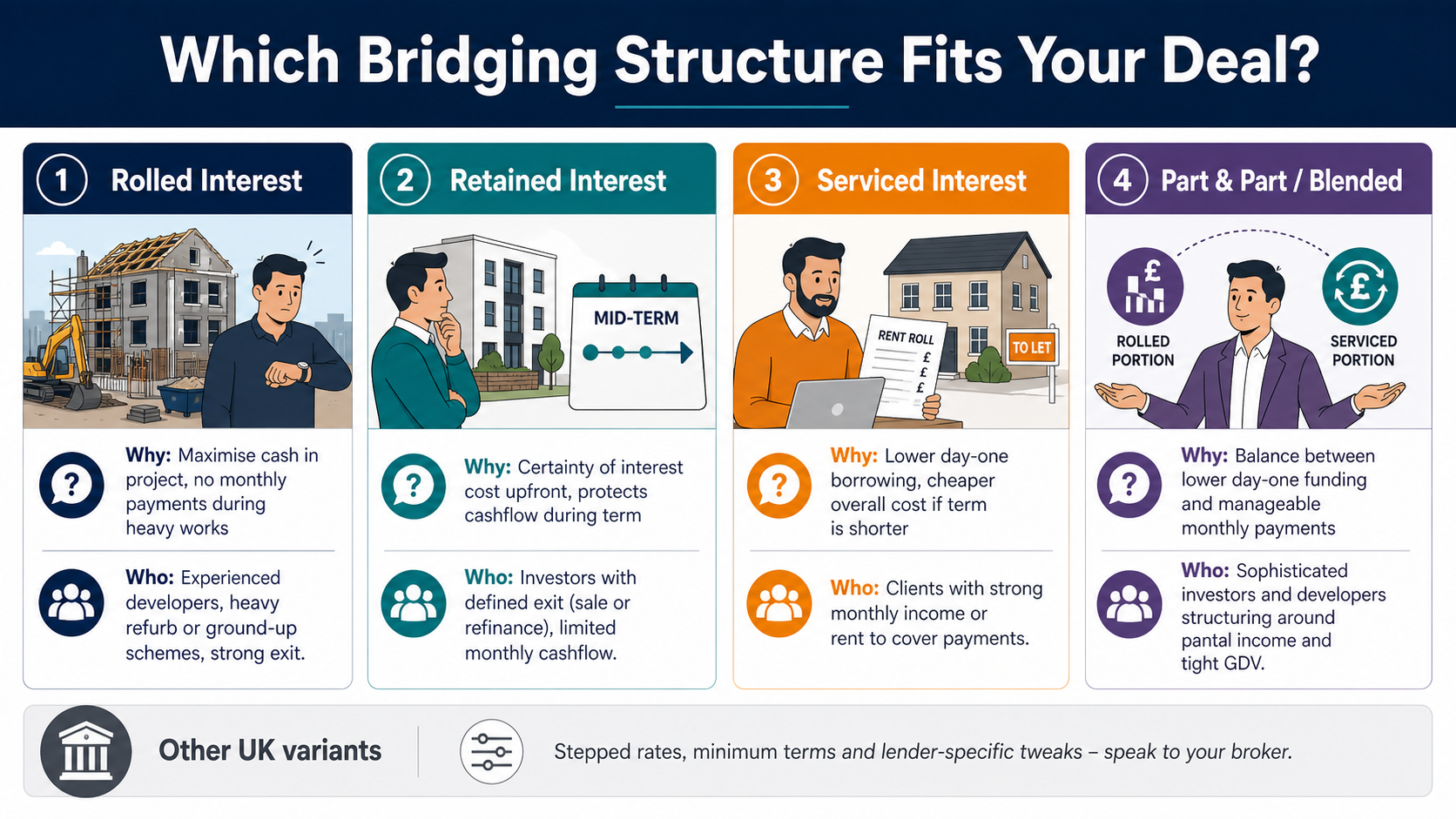
For a purchase that needs to complete quickly while retrofit works are arranged, bridging finance can hold the deal together. For landlords refinancing ahead of the 2030 deadline, buy-to-let mortgages structured around the property’s current and target EPC band can prevent a forced sale. Larger portfolio upgrades or ground-up projects are better suited to development finance, staged against the works themselves. Speak to the team early, before a lender’s decision narrows your options, and you keep the widest choice of routes forward.
FAQ
Can I get a mortgage without an EPC?
Most residential lenders expect a valid EPC before completing a mortgage, since the rating increasingly feeds into affordability checks and collateral reporting. Some lenders will proceed with an application while a new certificate is being arranged, but delays are common if the property has no rating on record.
Do I need a valid EPC to remortgage?
Many lenders now check EPC status as part of a remortgage application, particularly for buy-to-let properties affected by minimum energy efficiency standards. If your current certificate has expired or shows “not determined”, your lender may ask for a new one before issuing an offer.
Which properties are exempt from an EPC?
Certain buildings are exempt from needing an EPC, including some listed buildings, places of worship and temporary structures, though the detailed exemption criteria are set out in government guidance. Landlords of F or G rated rental properties can also register a MEES exemption rather than carry out improvement works, provided they meet the evidence requirements.
What is the 4.5 rule for mortgages?
The 4.5 rule refers to lenders typically capping mortgage borrowing at a multiple of a borrower’s income, though this varies by lender and individual circumstances rather than being a fixed regulatory limit. It is separate from EPC-related affordability adjustments, which can reduce the maximum loan further if a property’s energy costs are assessed as high.
Sources
- Improving the energy performance of privately rented homes: government response
- Product innovation in the UK mortgage market: the case of green mortgages
- Increasing number of UK Mortgage Lenders using EPCs in Affordability Assessments
Recommended
Related Topics
Speak to a specialist
Discuss your finance with James directly
Whole-of-market specialist finance — bridging, development, commercial and residential. No call centres, no obligation. James reviews every enquiry personally.
New to specialist finance? How unbiased broker advice works · Deals we have completed
Explore Related Finance