
Published · Updated
down valuation finance optionsDown Valuation Options: England Buyers Should Call a Broker First
By James Dawes, CeMAP, Founder, James William & Co Capital

You have realistic routes: renegotiate the price, add cash, ask the lender to review the figure, switch lender, or use short-term bridging. The valuation is the lender’s security check, not a survey of the property’s condition. The fastest first move is a call to a specialist broker for a pre-assessment, before you submit anything else.
TL;DR:
- A lower valuation can raise loan to value, push you beyond a product limit, reduce borrowing, and increase rates or narrow available mortgage choices.
- A review is most credible when you provide recent nearby sales and correct factual errors; lenders rarely revise professional judgment without clear evidence.
- Before switching lenders, ask a broker to assess fit; each application can leave a hard credit search, while mortgage processing takes two to six weeks.
- Bridging can cover a completion gap when you have a credible repayment exit, but it costs more than a standard mortgage and requires fee planning.
Table of Contents
- What is a lender valuation, and how does it differ from a survey?
- Why do valuations come in below the agreed price?
- Which immediate options should you weigh first?
- How do you challenge a valuation with evidence?
- What financing routes cover a valuation shortfall?
- How does a down valuation affect mortgage approval and loan-to-value?
- How does down valuation differ across development and bridging finance?
- How can you reduce down valuation risk before the valuation?
- How does a down valuation change your borrowing power and negotiating leverage?
- What do lenders’ policies say about down valuation adjustments?
- What are the tax implications of a revised property valuation?
- An author’s view: why an early call to a broker usually wins
- How can we help if your valuation falls short?
- FAQ
- Sources
What is a lender valuation, and how does it differ from a survey?
A lender valuation protects the lender. It tests whether the property is adequate security for the loan, and nothing more. The Gov is clear that borrowers should not treat it as a substitute for an independent homebuyer survey. It does not tell you whether the roof is sound or the wiring is dated.
Understanding what you are holding matters before you act:
- Purpose: the valuer confirms the property is worth enough to secure the mortgage, which is different from confirming that your agreed price is fair.
- Access to the report: practice varies. Some lenders send a copy with the offer after a physical inspection, but many treat the report as for their use only and share only the confirmed value.
- Condition and legal checks: if you want detail on defects, you must commission a separate homebuyer survey. MoneyHelper notes you may need to budget for an upgrade, with a typical range of £150–£800.
A low figure from the lender is therefore a statement about its risk, and sometimes about the market evidence the valuer could find.
Why do valuations come in below the agreed price?
A down valuation does not necessarily mean the valuer made an error. RICS practitioners point out that down-valuation is a consumer term: the valuer produces an evidence-based market assessment, not an appraisal tuned to what you agreed with the seller.
The usual causes are:
- Conservative lending stance. Even with automation advancing, around two-thirds of mortgage applications still need a physical or professional-led valuation, so human judgement, and its caution, stays central.
- Thin or weak comparables. If recent arm’s-length sales nearby are scarce, or the valuer leans on inappropriate ones, the figure drifts down.
- Condition and unusual features. Non-standard construction, dated fittings or a quirky layout can all depress value.
- Gaps in the brief. Valuation reports commonly omit items such as valuation dates or full comparable analysis.
- Basis mismatch. The lender may require a restricted marketing period, and the valuer’s recorded basis may not match it.
Knowing which cause applies tells you whether a challenge has a chance.
Which immediate options should you weigh first?
When a gap appears, MoneyHelper lists the realistic responses: renegotiate, add savings, ask for a lender review, switch lender with care, or use a broker to reach a wider range of lenders. In practical order:
- Renegotiate with the seller. This works best when you can show evidence, such as the valuer’s figure, nearby sales and survey findings. Sellers often prefer a modest cut to restarting a chain.
- Add cash to close the gap. Your deposit rises, the loan-to-value falls, and the lender usually proceeds. Tell your conveyancer early so completion funds are lined up.
- Request a lender review. Only worthwhile with hard evidence. Expect limits, because lenders rarely move without a clear factual error.
- Switch lender or product. A fresh application risks a fresh valuation and a fresh credit search, so do not go in blind.
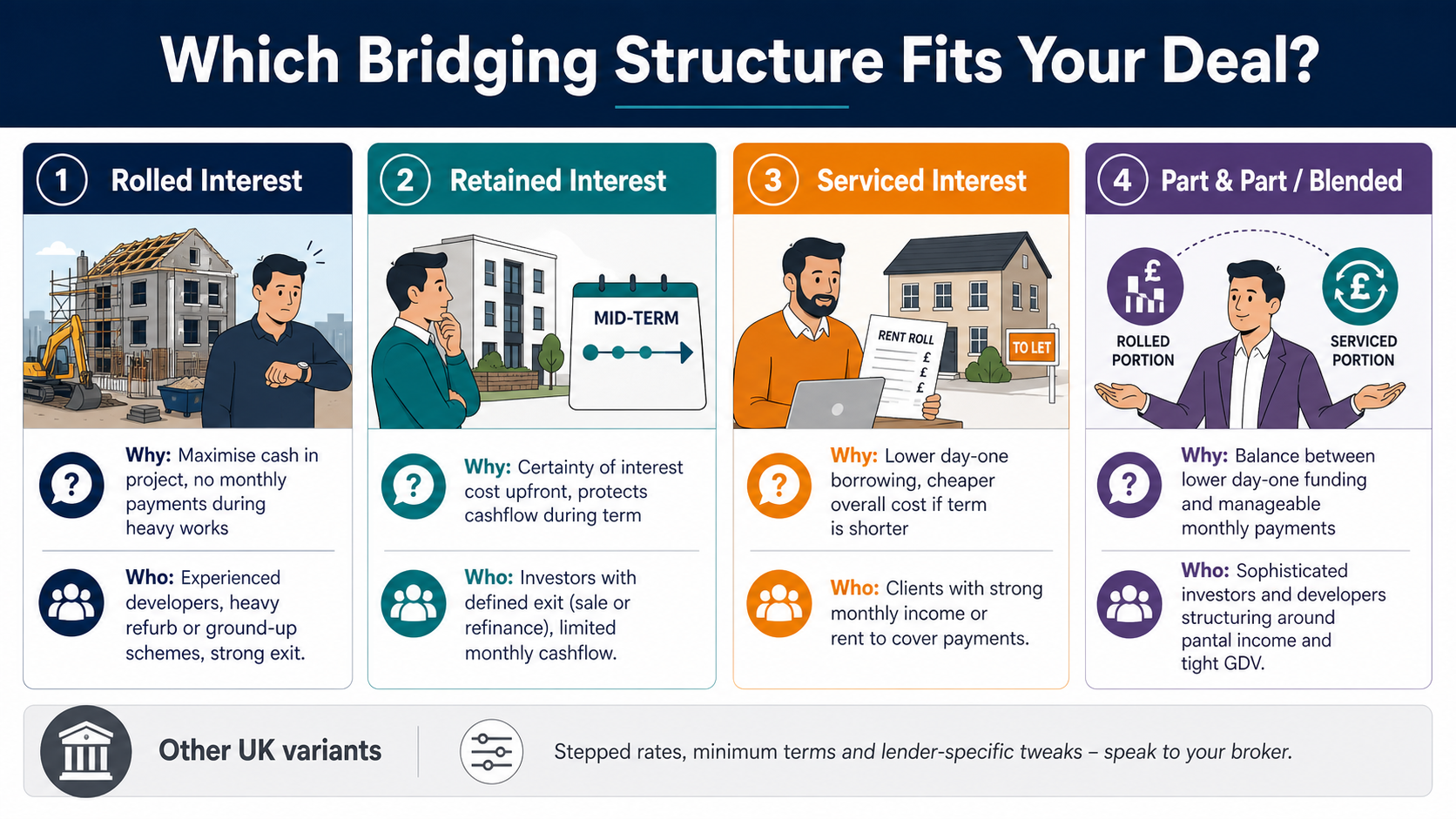
- Bridge to complete. Short-term finance can cover the shortfall while longer-term funding is arranged, provided you have a credible exit. Our guide on arranging bridging finance for property deals explains the mechanics.
Pro Tip: Ask a broker to pre-assess which lenders are likely to accept your case before you apply anywhere new.
How do you challenge a valuation with evidence?
Challenges succeed on facts, not frustration. RICS experts advise that appeals work when backed by objective, recent comparable sales the valuer may have missed, since valuers must follow strict standards and comparable evidence is decisive. RICS guidance on comparables also stresses that valuers need several recent sales and sound analysis.
Build your case like this:
- Collect close comparables. Find recent, arm’s-length sales of similar properties nearby, with dates and prices.
- Document factual errors. Check floor area, tenure, number of bedrooms and any sales the valuer omitted.
- Route it through the right channel. A broker or conveyancer submits the request under the lender’s own appeals process. RICS will only consider complaints where a written valuation differs outside accepted tolerance, and expects you to raise concerns with the lender first.
- Expect a range of outcomes. A corrected report, reinspection, fresh valuation or an upheld decision are all possible, and timelines vary.
- Hold off on new applications. Each formal application can leave a hard search on your credit file, so pre-assess first.
Be realistic: lenders usually keep valuation risk processes confidential, and appeals rarely succeed without a clear factual error.
What financing routes cover a valuation shortfall?
If renegotiation fails and you want the purchase to proceed, funding the gap is the alternative. Each route trades cost for speed or certainty:
- Bridging finance. Short-term completion funding while longer-term finance is arranged. It suits buyers with a clear exit, and costs more than a standard mortgage, so the exit plan is essential. Our bridging loan comparison shows how lenders differ.
- Higher loan-to-value products. Some lenders go further than mainstream banks, though often with restrictions or higher pricing. MoneyHelper explains 100% mortgages and their caveats.
- Guarantor or family deposit routes. A relative adds security or funds, subject to lender acceptance criteria.
- Negative equity products. Where a property is worth less than the debt, specialist solutions may be needed. They are rare and typically costly.
- Extra costs. Budget for valuation fees, upgraded surveys, broker fees and potentially higher interest while on short-term finance.
Pro Tip: Price the whole route, including fees and exit costs, not just the headline interest rate.
How does a down valuation affect mortgage approval and loan-to-value?
A lower valuation can affect the amount a lender is willing to lend. If the loan stays the same while the value falls, the loan-to-value ratio rises, which may put you outside your chosen product’s limit. Ask your lender or broker how the revised valuation affects your borrowing.
In practice the lender will usually offer a smaller loan, which leaves you to fund the difference. A higher loan-to-value often means a higher rate or a narrower choice of products, so a modest valuation shortfall can change both your deposit and your monthly payment.
Timing matters too. Mortgage applications typically take two to six weeks, and valuation results can alter the final offer and delay the process. Raise the issue with your broker the day you hear, not after the offer is reissued.
How does down valuation differ across development and bridging finance?
Residential purchasers feel a down valuation as a smaller loan. Short-term and development lending reacts differently because lenders size their facilities to value and exit.
Bridging finance is typically sized against current value, with the lender focused on how you will repay. A lower valuation reduces the loan available, but the structure is flexible, and a stronger exit can offset a weaker figure. That flexibility is why it often features in completion-gap solutions.
Development finance leans on two measures: the value of the site today and the projected value on completion. A down valuation of either figure tightens the facility, narrowing the headroom the lender will fund. Where margins are thin, structuring becomes the lever, and our piece on structuring a development finance deal when margins are tight covers how stacked debt can respond.

For larger schemes, mezzanine and joint venture equity can fill a gap left when the senior lender trims its loan. The common thread: a lower valuation shrinks the senior debt, so the rest of the capital stack must flex.
How can you reduce down valuation risk before the valuation?
You cannot control the valuer, but you can control the evidence they see and the condition of what they inspect.
- Prepare the property. Tidy, repair obvious defects and make access easy. Do not expect cosmetic work to lift the figure much: subjective improvements rarely raise a lender valuation unless they demonstrably improve marketability. A visible, simple fix such as a leaking gutter is more useful than redecorating.
- Supply comparables early. Send your agent’s recent sales evidence to the lender or broker before the inspection, so it is available when the figure is set.
- Check the facts in the brief. Make sure floor area, tenure, extensions and consents are accurate. Conveyancers are expected to flag discrepancies between the valuer’s assumptions and title.
- Choose lenders deliberately. You generally cannot pick the valuer, but a broker can steer you towards lenders whose valuation approach suits your property type.
- Stress-test your price. If your offer sits well above nearby sales, plan your deposit buffer before you apply.
How does a down valuation change your borrowing power and negotiating leverage?
Borrowing power shrinks because the loan is anchored to value. Every pound the valuation falls short of your price must come from your own funds unless the price changes. That squeezes your cash buffer and, if you need a higher loan-to-value product, can raise your cost of borrowing.
Your negotiating position, however, often improves. A written valuation below the price is independent evidence that a lender will not fund the agreed figure, and the next buyer will probably face the same result. Presented calmly, with comparables and the lender’s response, it gives you a reasoned basis to ask for a reduction. Sellers who have already found a chain are often keen to avoid a collapsed sale.
Leverage is weaker if the market is moving fast, if the seller has other offers, or if the shortfall is small. In those cases adding cash may be the quicker route. Decide your walk-away point before you open the conversation, and keep it separate from how much you like the house.
What do lenders’ policies say about down valuation adjustments?
Policies differ by lender, and most are not published in detail. What the UK Finance Mortgage Lenders’ Handbook shows is that lenders typically keep valuation risk processes confidential, and that appeals rarely change a valuer’s professional judgement unless a clear factual error is demonstrated. Whether you receive the report at all depends on the lender and whether a physical inspection took place.
So treat any request as a factual correction, not a plea. Ask the lender what its review route is, what evidence it will accept, and whether a re-inspection or a fresh valuation is possible. Ask too whether a different loan-to-value tier would apply at the revised figure.
A broker adds value here, because lender criteria on property type, construction and valuation tolerance vary across a panel. Our residential mortgage lenders panel gives a flavour of that variety. Matching your case to the right lender before you apply is far cheaper than discovering a policy mismatch after a valuation.

What are the tax implications of a revised property valuation?
A lender’s valuation is a lending assessment, not a tax valuation, so a lower figure does not by itself change what you owe. A revised lender valuation may have tax implications depending on your circumstances. If you renegotiate the purchase price, ask your conveyancer how this affects any tax you may owe. We have not cited a rate table here because bands change and depend on your circumstances.
Other points to raise with a tax adviser or your conveyancer:
- If you are buying an additional property, ask your conveyancer whether the purchase price affects the tax you owe.
- If you may owe capital gains tax in future, ask a tax adviser how the purchase price and other relevant factors affect your position.
- Fees paid to arrange finance may have their own treatment for investors, depending on how the property is held.
This is general information, not tax advice. Confirm your own position with a qualified adviser before relying on it.
An author’s view: why an early call to a broker usually wins
In my experience as an editorial voice on this topic, the sales that survive a down valuation are the ones where someone assessed the options before the clock ran down. A broker’s pre-assessment, targeted lender selection and a clean evidence pack are the quickest ways to keep a transaction alive, and they avoid repeated formal applications. Bridging suits a clear exit and a tight deadline, but it is not a rescue for every case. On a first call, expect questions about the price, the valuation, your deposit and your timeline, then a realistic set of routes rather than a promise.
How can we help if your valuation falls short?
If you need specialist funding to keep a purchase moving, we can structure it around your case:
- Bridging finance to cover a completion gap while longer-term funding is arranged, through our bridging finance service.
- Residential mortgage structuring with access to specialist lenders beyond mainstream banks.
- A confidential pre-assessment and lender match before any formal application is made.
Tell us your price, the valuation and your deadline, and we will set out the realistic routes. Contact us through our bridging finance page to start.
FAQ
What happens if a mortgage lender’s valuation is lower?
The lender will usually base its loan on the lower figure, so you must fund the difference, renegotiate, or find another route. MoneyHelper sets out the main options: negotiate, add savings, ask for a review, switch lender with care, or use a broker.
Who pays the valuation fee?
The buyer normally bears the cost, either directly or through a product fee, though some lenders include a free valuation on certain deals. Check your mortgage illustration, and budget separately if you want a homebuyer survey, since upgrades typically cost £150–£800.
Do I need to clean my house for a valuation?
Tidiness helps the valuer see the property clearly, but it will not change the market evidence behind the figure. Fixing visible defects and making access easy is more useful than deep cleaning.
Can I challenge a down valuation?
Yes, through the lender’s own process, and it works best with recent, verifiable comparables or a proven factual error. RICS experts note that objective comparable sales are decisive, though success is not common.
Sources
- Gov
- What to do when your mortgage application is declined | MoneyHelper
- “Down-valuation”: fact or fiction? | Journals | RICS
- Breaking the automation ceiling for property risk and valuation | Insights | UK Finance
- Lendershandbook
Recommended
Related Topics
Speak to a specialist
Discuss your finance with James directly
Whole-of-market specialist finance — bridging, development, commercial and residential. No call centres, no obligation. James reviews every enquiry personally.
New to specialist finance? How unbiased broker advice works · Deals we have completed
Explore Related Finance